Minnesota · Traverse County
Traverse Lake Fishing guide
Traverse Lake sits in Traverse County, Minnesota, and covers 10,849 acres, reaching 12 ft at its deepest point. Average water clarity runs about 4.3 ft. The Minnesota DNR has surveyed the lake 38 times, most recently in 2025, with walleye, largemouth bass, smallmouth bass and northern pike in the nets.
DNR survey data
Fish species
WalleyeLast stocked 2025One of the best around26.9per gill net14"Typical28"Biggest
Lengths measured · 1104 fish
Recent · 2021 + 2022 + 2023 + 2024 + 2025Lengths measured · 145 fish
2025Lengths measured · 115 fish
2024Lengths measured · 375 fish
2023Lengths measured · 197 fish
2022Largemouth bassPresent0.3per gill net3"Typical13"Biggest
Lengths measured · 20 fish
Recent · 2023 + 2025Lengths measured · 1 fish
2025Only 1 fish measured that year — too few to read as a shape.
Lengths measured · 7 fish
2024Only 7 fish measured that year — too few to read as a shape.
Lengths measured · 19 fish
2023Lengths measured · 3 fish
2022Only 3 fish measured that year — too few to read as a shape.
Smallmouth bassPresent1.4per gill net10"Typical16"Biggest
Lengths measured · 47 fish
Recent · 2021 + 2022 + 2023 + 2024 + 2025Lengths measured · 1 fish
2025Only 1 fish measured that year — too few to read as a shape.
Lengths measured · 3 fish
2024Only 3 fish measured that year — too few to read as a shape.
Lengths measured · 2 fish
2023Only 2 fish measured that year — too few to read as a shape.
Lengths measured · 34 fish
2022Northern pikeJust a few5per gill net20"Typical34"Biggest
Lengths measured · 150 fish
Recent · 2021 + 2022 + 2023 + 2024 + 2025Lengths measured · 29 fish
2025Lengths measured · 39 fish
2024Lengths measured · 35 fish
2023Lengths measured · 25 fish
2022BluegillPresent2.1per gill net1"Typical10"Biggest
Lengths measured · 11351 fish
Recent · 2021 + 2022 + 2023 + 2024 + 2025Lengths measured · 1365 fish
2025Lengths measured · 2407 fish
2024Lengths measured · 5432 fish
2023Lengths measured · 974 fish
2022CrappiePresent3.9per gill net2"Typical13"Biggest
Lengths measured · 697 fish
Recent · 2021 + 2022 + 2023 + 2024 + 2025Lengths measured · 10 fish
2025Lengths measured · 121 fish
2024Lengths measured · 425 fish
2023Lengths measured · 12 fish
2022Yellow perchExcellent numbers23.5per gill net3"Typical12"Biggest
Lengths measured · 1561 fish
Recent · 2021 + 2022 + 2023 + 2024 + 2025Lengths measured · 159 fish
2025Lengths measured · 210 fish
2024Lengths measured · 918 fish
2023Lengths measured · 133 fish
2022Rock bassFair numbers0.7per gill net7"Typical9"Biggest
Lengths measured · 16 fish
Recent · 2021 + 2022 + 2024 + 2025Lengths measured · 3 fish
2025Only 3 fish measured that year — too few to read as a shape.
Lengths measured · 4 fish
2024Only 4 fish measured that year — too few to read as a shape.
Lengths measured · 4 fish
2022Only 4 fish measured that year — too few to read as a shape.
Lengths measured · 5 fish
2021Only 5 fish measured that year — too few to read as a shape.
Channel catfishExcellent numbers6.5per gill net26"Typical32"Biggest
Lengths measured · 197 fish
Recent · 2021 + 2022 + 2023 + 2024 + 2025Lengths measured · 38 fish
2025Lengths measured · 39 fish
2024Lengths measured · 21 fish
2023Lengths measured · 44 fish
2022White bassExcellent numbers7.5per gill net4"Typical16"Biggest
Lengths measured · 1098 fish
Recent · 2021 + 2022 + 2023 + 2024 + 2025Lengths measured · 137 fish
2025Lengths measured · 67 fish
2024Lengths measured · 294 fish
2023Lengths measured · 114 fish
2022Rates come from standard DNR survey gear (gill nets, trap nets, electrofishing), judged against statewide benchmarks for the same gear, so the same number of fish per net can read differently for two species. Where the standard gear can't count a species reliably, only presence and size are listed. Typical is the middle fish of those measured. Open a row for the full length spread, survey by survey.
How to fish Traverse Lake through the year
Walleye
- Spring
- Walleye are shallow, on and just off the spawning flats and the first green weeds.
- Early summer
- Walleye are setting up on the outside weed edge, points and shallow structure.
- Summer
- Walleye are working the weed edge, points and any wind-blown structure. With 100% of this lake 15 ft or shallower, the weed edge is the main event.
- Fall
- Walleye are packing onto the sharpest breaks and points as the water cools, in big schools with short windows. A 12-ft bowl cools fast, so the fall window comes early here.
Largemouth bass
- Spring
- Largemouth are moving up into the warming bays and flats, staging around wood, docks and new weeds to spawn.
- Early summer
- Largemouth are on the shallow spawning flats and protected bays, where beds go on firm bottom next to isolated cover.
- Summer
- Largemouth are in and along the weeds: cabbage and milfoil edges, matted cover and shade. With 100% of this lake 15 ft or shallower, the weed edge is the main event.
- Fall
- Largemouth are chasing bait back onto the flats and into the remaining green weeds, feeding hard and shallow before the freeze. A 12-ft bowl cools fast, so the fall window comes early here.
Season patterns for each species. Open the live map for today's wind, light and water temp.
Size history
Biggest fish by survey year
| Survey year | Walleye | Largemouth bass | Smallmouth bass |
|---|---|---|---|
| 2025 | 25" | 13" | 13" |
| 2024 | 28" | 4" | 11" |
| 2023 | 27" | 5" | 13" |
| 2022 | 27" | 4" | 16" |
| 2021 | 27" | 4" | 15" |
| 2020 | 27" | 3" | 15" |
| 2019 | 28" | 14" | 15" |
| 2018 | 23" | 4" | 14" |
Longest fish measured by DNR survey crews in each year's nets. Survey gear samples the population, so the lake usually holds larger fish than any survey measured.
Suggested tackle
What to bring
Top presentations for this lake's structure and clarity:
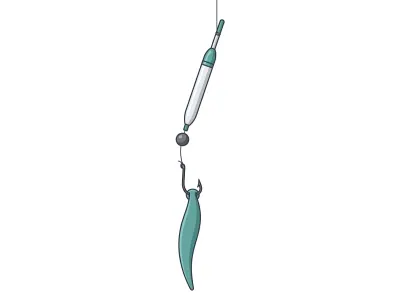
Walleye · Soft plastics
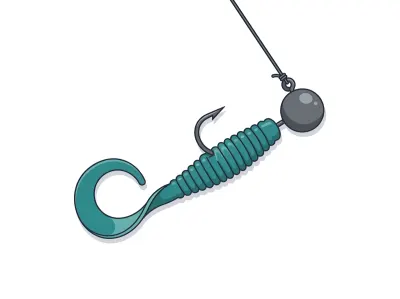
Curly-Tail Grub on Jig
3" curly-tail grub threaded on a round jighead
Largemouth bass · Soft plastics
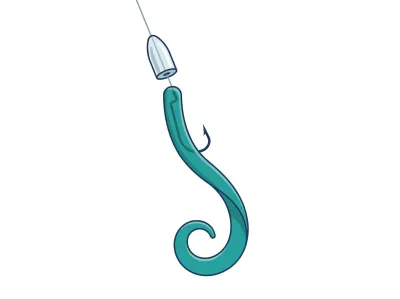
Texas-Rigged Worm
7" ribbon-tail or straight-tail plastic worm
Largemouth bass · Soft plastics
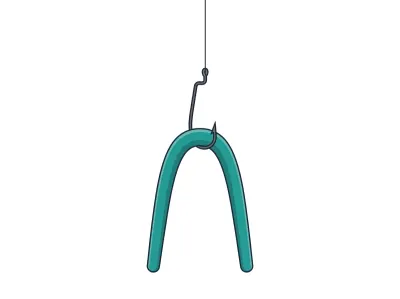
Wacky-Rigged Stickworm
5" stickworm
Smallmouth bass · Soft plastics
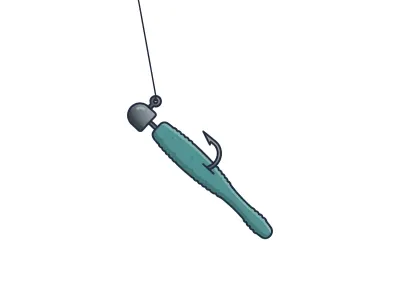
Ned Rig
2.75" finesse stickbait or craw-style Ned bait
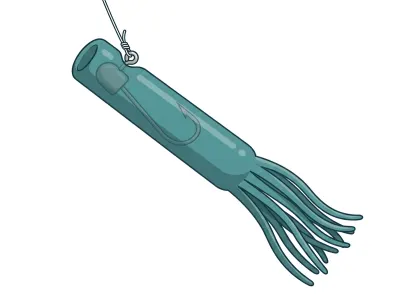
Full setups, including hooks, weights and line, are on the live map. As an Amazon Associate I earn from qualifying purchases.
DNR stocking records
Stocking history
| Year | Species | Stocked |
|---|---|---|
| 2025 | Walleye | 6,000,000 fry |
| 2023 | Walleye | 6,500,000 fry |
| 2021 | Walleye | 6,000,000 fry |
| 2017 | Walleye | 6,000,000 fry |
MN DNR · in their words
From the 2025 survey
Traverse Lake is in western Minnesota, north of Browns Valley on the Minnesota-South Dakota border. The Minnesota Department of Natural Resources and South Dakota Department of Game, Fish and Parks co-manage the fishery and Border Waters fishing regulations apply. The lake is 16 miles long, up to two miles wide, 11,528 acres and it has a maximum depth of 12 feet. A contour map should be studied before boating because many shallow reefs and points exist, especially near the islands and in the northwest portion of the lake. Walleyes, bluegills, channel catfish, crappies, freshwater drum, northern pike, smallmouth bass and white bass are the primary game fish anglers target.
This 2025 Targeted Survey was conducted to collect routine fish population data using gill nets, seining and night electrofishing. These data can be compared to historical Standard and Targeted Survey data from Traverse Lake.
Read the full DNR narrative
Traverse Lake has been a good walleye fishery for many years. Walleye were abundant in 2025 and from a wide range of sizes, with many 13-15 inches. Walleyes grow fast in Traverse Lake and they can reach 16 inches in their third summer. Natural reproduction has been primarily responsible for maintaining the walleye population during recent years, with fry stocking making a lesser contribution.
Yellow perch numbers have been stable over the last few years and anglers have been reporting better fishing for them. Many of the perch were decent sized in 2025, measuring over 10 inches. Perch grow fast in Traverse Lake but few live past their fourth summer, likely due to angler harvest and natural causes of mortality.
Bluegill numbers began to increase in Traverse Lake around 2000. At times, anglers find them near rock reefs and weed lines. They grow fast and fish up to 10 inches were present in the 2025 survey. High numbers of young bluegills have frequently been present, but most of them are likely eaten by walleyes, northern pike and white bass due to limited cover. As vegetation continues to increase in the lake, the bluegill population may expand.
Lake Traverse has a trophy channel catfish population with high numbers of large fish. Catfish up to 32 inches were found in the 2025 survey.
A relatively low number of black and white crappies were present, however, reports of good crappie fishing have increased during recent years, with anglers catching some over 13 inches.
Northern pike numbers have increased during recent years. Pike naturally reproduce in Traverse Lake and its tributaries. They can also migrate into Traverse Lake from Mud Lake during high flows. The 2025 catch rate was above average for Traverse Lake and was similar to catch rates from recent surveys. Northern pike average length was 21 inches and the largest was 33 inches. Anglers and spearers have reported catching good numbers of pike in recent years. They grow fast and die young and few pike over four years old have ever been sampled.
Smallmouth bass were first caught in DNR sampling in 2012 and their numbers had increased substantially by 2022. However, since 2023, numbers have been relatively low, possibly to do a partial winterkill in 2023. Smallmouth bass probably entered the lake from downstream sources such as the Ottertail River. Smallmouth bass are becoming more abundant in many Minnesota lakes, possibly due to milder winters. Largemouth Bass have also been present in low numbers in Traverse Lake and have been increasing in recent years.
Traverse Lake has often provided good fishing for white bass and freshwater drum. White bass numbers have been relatively low due to a die-off in 2018. Drum numbers were also relatively low in 2025. White bass and drum have white meat and are good to eat. Their flavor can be improved by keeping the fillets out of the slime when cleaning, and by trimming away the reddish meat from the outside of the fillets. Many good drum recipes can be found on the internet.
Narrative text from the Minnesota DNR lake survey.
Recent reports
Traverse Lake fishing reports
Recent reports on Traverse Lake from guides, tournaments and regular anglers. Anything posted in the last two weeks also bumps the matching spots on the live map, so you'll see a "matches a recent report" tag on them.
Open the live map → Fished it lately? Write a report
All Traverse Lake fishing reports → · Traverse County reports
Public water access
Getting on the water
- Traverse Lake, #1 (trailer launch)
- Traverse Lake, #2, Fish Camp (trailer launch)
- Traverse Lake, #3 (trailer launch)
- Traverse Lake, #4, Brown Valley (trailer launch)
DNR bathymetry
Traverse Lake depth map
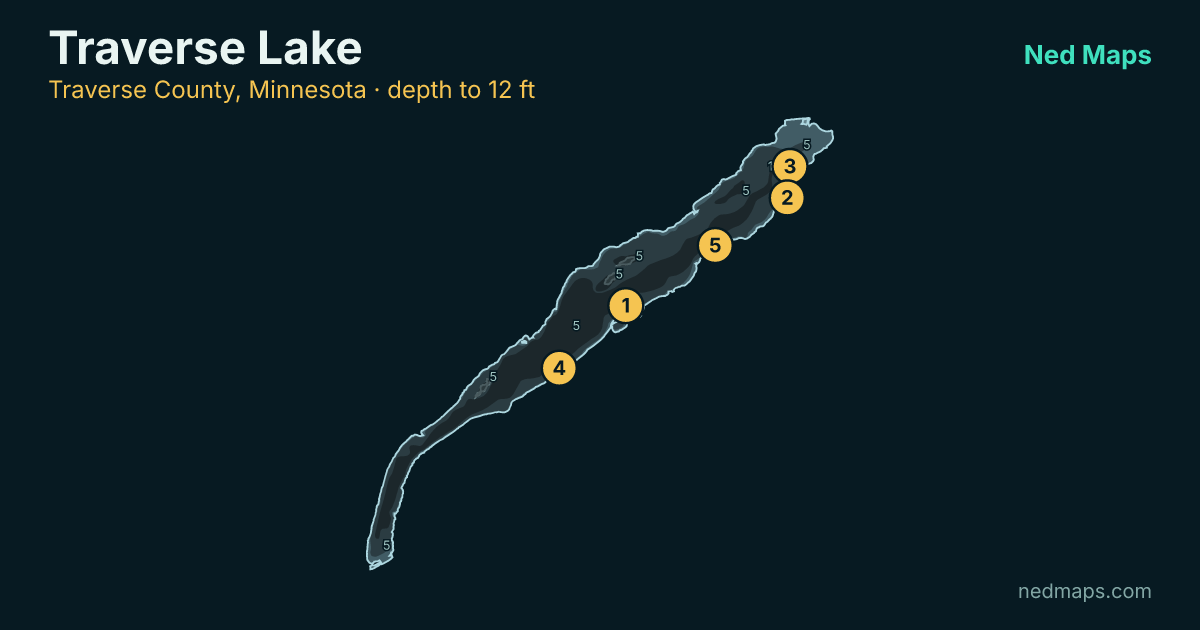
Within 30 miles
Nearby lakes
- Mud Lake · 2,449 ac · 11 mi
- East Toqua Lake · 437 ac · 16.9 mi
- Lannon Lake · 197 ac · 17.9 mi
- Big Stone Lake · 11,984 ac · 19.2 mi
- Lone Tree Slough Lake · 90 ac · 19.8 mi
- Swenson Lake · 204 ac · 25.1 mi
Quick answers
Frequently asked questions
How deep is Traverse Lake?
Traverse Lake reaches 12 ft at its deepest point with a mean depth of 9 ft; about 100% of the lake is littoral (15 ft or shallower).
How big is Traverse Lake?
Traverse Lake covers 10,849 acres with about 78.6 miles of shoreline.
How clear is the water in Traverse Lake?
DNR Secchi readings on Traverse Lake average 4.3 ft of visibility, middling clarity for a Minnesota lake.
What fish are in Traverse Lake?
Minnesota DNR surveys (most recently 2025) record walleye, largemouth bass, smallmouth bass, northern pike, bluegill, crappie, yellow perch, rock bass, channel catfish, white bass.
Is Traverse Lake stocked?
Yes. The DNR stocked walleye in 2025; the stocking table on this page lists every year back to 2017.
Does Traverse Lake have a public access?
Yes. Traverse Lake has 4 public access sites, including Traverse Lake, #1 (trailer launch).
How big do walleye get in Traverse Lake?
The biggest walleye measured in recent DNR surveys taped 28"; the size-history table on this page tracks the biggest fish in each survey back to 2018.
When was Traverse Lake last surveyed?
The Minnesota DNR last surveyed Traverse Lake in 2025, the most recent of 38 surveys on record.
Page updated .

Featured guide spot
Your guide service here
One featured guide per lake, with your photo, your writeup and a link straight to your booking page. Free through December 31, 2026.
Then $20 a month from January. Cancel any time.
The live map adds today's conditions and ranked spots for Traverse Lake, plus a trip plan you can share:
Open Traverse Lake on the live map → Fished it lately? Write a report