Minnesota · Cass County
Portage Lake Fishing guide
Portage Lake covers 361 acres in Cass County, Minnesota, reaching 65 ft at its deepest point. The Minnesota DNR has surveyed the lake 6 times, most recently in 1998, with walleye, largemouth bass, smallmouth bass and northern pike in the nets. That survey is 28 years old now.
DNR survey data
Fish species
The DNR last surveyed Portage Lake in 1998. Ratings need a survey from the last 20 years, so this page lists the species from that older record without numbers.
- Walleye
- Largemouth bass
- Smallmouth bass
- Northern pike
- Bluegill
- Crappie
- Yellow perch
- Rock bass
How to fish Portage Lake through the year
Walleye
- Spring
- Walleye are shallow, on and just off the spawning flats and the first green weeds.
- Early summer
- Walleye are setting up on the outside weed edge, points and shallow structure.
- Summer
- Walleye are working the weed edge, points and any wind-blown structure. On a lake that drops to 65 ft, check the deep edge of that structure too.
- Fall
- Walleye are packing onto the sharpest breaks and points as the water cools, in big schools with short windows.
Largemouth bass
- Spring
- Largemouth are moving up into the warming bays and flats, staging around wood, docks and new weeds to spawn.
- Early summer
- Largemouth are on the shallow spawning flats and protected bays, where beds go on firm bottom next to isolated cover.
- Summer
- Largemouth are in and along the weeds: cabbage and milfoil edges, matted cover and shade. On a lake that drops to 65 ft, check the deep edge of that structure too.
- Fall
- Largemouth are chasing bait back onto the flats and into the remaining green weeds, feeding hard and shallow before the freeze.
Season patterns for each species. Open the live map for today's wind, light and water temp.
Size history
Biggest fish by survey year
| Survey year | Walleye | Largemouth bass | Smallmouth bass |
|---|---|---|---|
| 1998 | 25" | 18" | 15" |
| 1993 | 25" | 14" | — |
Longest fish measured by DNR survey crews in each year's nets. Survey gear samples the population, so the lake usually holds larger fish than any survey measured.
Suggested tackle
What to bring
Top presentations for this lake's structure and clarity:
Walleye · Live bait

Live-Bait (Lindy) Rig + Leech/Crawler
jumbo leech or half a nightcrawler
Walleye · Trolling
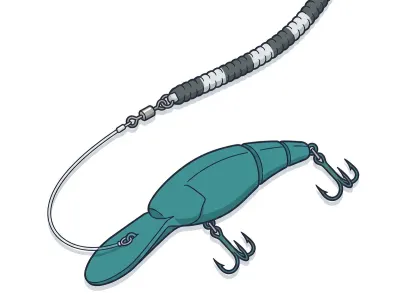
Leadcore Line + Crankbaits
4–5" mid-diving crankbait behind a long leadcore run
Largemouth bass · Hardbaits
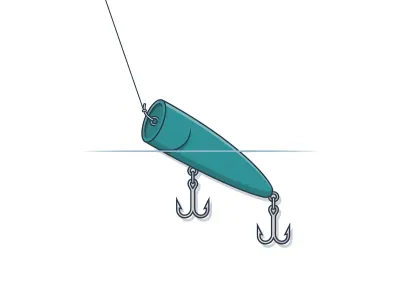
Topwater Popper
2.5–3" concave-face popper
Largemouth bass · Hardbaits
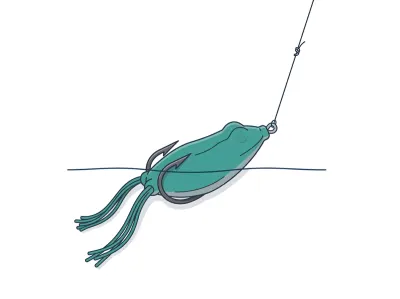
Hollow-Body Frog
3–3.5" hollow-body frog
Smallmouth bass · Soft plastics
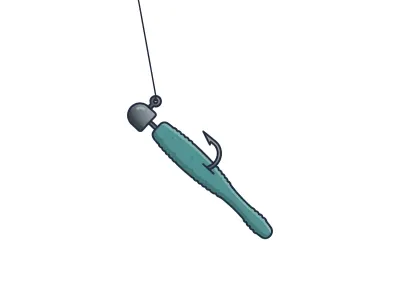
Ned Rig
2.75" finesse stickbait or craw-style Ned bait
Smallmouth bass · Soft plastics
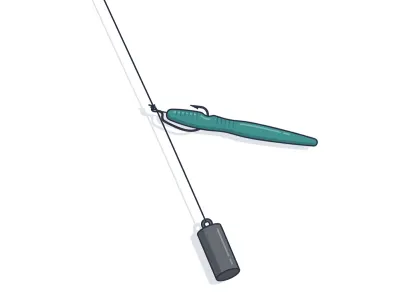
Drop Shot (Finesse Plastic)
4" finesse worm or 3" minnow-profile plastic
Full setups, including hooks, weights and line, are on the live map. As an Amazon Associate I earn from qualifying purchases.
DNR stocking records
Stocking history
| Year | Species | Stocked |
|---|---|---|
| 2019 | Walleye | 6,815 fingerlings |
| 2017 | Walleye | 1,600 yearlings |
MN DNR · in their words
From the 1998 survey
Portage Lake is a 356-acre lake with a maximum depth of 65 feet. The lake is located six miles south of Cass Lake in northern Cass County. The Minnesota Department of Natural Resources has classified Minnesota's lakes into 43 different lake classes based on physical and chemical characteristics. Portage Lake is in lake class 27. Other area lakes in the same lake class include Lower Sucker, Thirteen, and Crooked Lakes. Approximately 47% of the lake is 15 feet or less in depth. There is no public access on the lake. Portage Lake provides fishing for northern pike, walleye, bluegill, black crappie, and largemouth bass. The lake is managed primarily for northern pike, largemouth bass, and walleye.Anglers will find plenty of northern pike to catch. Their abundance is higher than what was found in previous surveys and of other lake class 27 lakes. They are generally small in size. Most fish are between 17 and 22 inches long but there a few over 30 inches. Growth was comparable to other area lake class 27 lakes for the first three years and better by the fourth year. There is evidence that both stocking and natural reproduction are producing walleye in Portage Lake. Walleye abundance is down from what was found in 1993, but is typical of other lakes in lake class 27. Walleye ranged in length from nine to 25 inches with an average length and weight of 15 inches and 1.3 pounds. The quality of walleye improved over what was found in 1993. Bluegill abundance has varied from survey to survey. Abundance in 1998 was below what you would typically find in a lake class 27 lake. The quality of bluegill has not decreased since 1976. To maintain such good quality, anglers need to practice selective harvest by releasing the larger bluegill and keeping only the smaller ones for eating. Quality size bluegill have disappeared from many lakes due to excessive harvest by anglers. Small numbers of black crappie and largemouth bass were sampled. These fish do not sample well in nets. These low catch rates are probably not representative of actual population sizes. Anglers have success catching these species of fish. Largemouth bass up to 18.9 inches in length were sampled. Portage Lake has stands of bulrush, cattail, and wild rice around the entire lake that offer good cover for largemouth bass and black crappie and ensure their continued successful natural reproduction. Two smallmouth bass were sampled for the first time on Portage Lake.Yellow perch are used as food by predator fish such as northern pike and walleye. Because of the increase in northern pike, yellow perch abundance came down from 1993 but is still within the range typically found in lake class 27 lakes. Cisco is another food fish for predators, especially the larger predator fish. Periodically part of the cisco population will die off in the summer. Other fish sampled include pumpkinseed sunfish, rock bass, white sucker, and bowfin (dogfish).Most of the lakeshore is privately owned and is subject to possible development. The remaining shoreline that is still undeveloped is some of the most sensitive and important shoreline on the lake for water quality protection and fish habitat. Protection of the larger watershed that drains into Portage Lake is also needed to maintain water quality. Portage Lake has significant stands of emergent vegetation such as bulrush, cattail, and wild rice. These and other aquatic plants help protect the lakeshore from erosion and absorb nutrients and pollutants as well as provide excellent places for wildlife and fish to feed, hide, and raise their young. Because of their ecological value, emergent plants may not be removed without a DNR permit. Based on the increasing value of lakeshore in this area, there will be much demand to develop the remaining lakeshore on Portage Lake.Anglers can help maintain or improve the quality of fishing by practicing selective harvest. Selective harvest allows for the harvest of smaller fish for table fare, but encourages release of medium to large size fish. Releasing these fish will help maintain the fish population in Portage Lake and will provide anglers with opportunities to catch more and larger fish in the future. Large fish can help maintain balance in the fish community.
Narrative text from the Minnesota DNR lake survey.
Recent reports
Portage Lake fishing reports
Recent reports on Portage Lake from guides, tournaments and regular anglers. Anything posted in the last two weeks also bumps the matching spots on the live map, so you'll see a "matches a recent report" tag on them.
DNR bathymetry
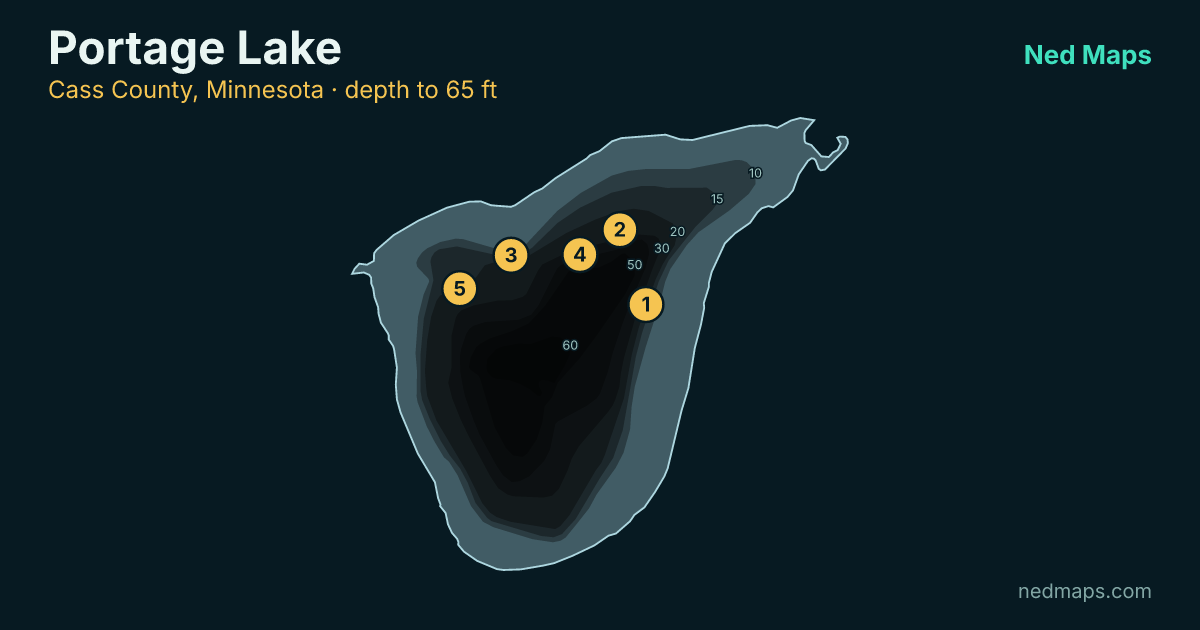
Portage Lake depth map
Within 30 miles
Nearby lakes
- Thirteen Lake · 555 ac · 2.3 mi
- Welch Lake · 196 ac · 2.5 mi
- Crooked Lake · 582 ac · 3.1 mi
- Steamboat Lake · 1,756 ac · 3.2 mi
- Pike Bay Lake · 4,756 ac · 5.6 mi
- Hart Lake · 226 ac · 7.3 mi
- Garfield Lake · 972 ac · 8.1 mi
- Little Wolf Lake · 525 ac · 8.5 mi
Quick answers
Frequently asked questions
How deep is Portage Lake?
Portage Lake reaches 65 ft at its deepest point; about 47% of the lake is littoral (15 ft or shallower).
How big is Portage Lake?
Portage Lake covers 361 acres with about 3.6 miles of shoreline.
What fish are in Portage Lake?
Minnesota DNR surveys (most recently 1998) record walleye, largemouth bass, smallmouth bass, northern pike, bluegill, crappie, yellow perch, rock bass.
Is Portage Lake stocked?
Yes. The DNR stocked walleye in 2019; the stocking table on this page lists every year back to 2017.
When was Portage Lake last surveyed?
The Minnesota DNR last surveyed Portage Lake in 1998, the most recent of 6 surveys on record. That is more than 20 years ago, so this page lists species without ratings.
Page updated .

Featured guide spot
Your guide service here
One featured guide per lake, with your photo, your writeup and a link straight to your booking page. Free through December 31, 2026.
Then $20 a month from January. Cancel any time.
The live map adds today's conditions and ranked spots for Portage Lake, plus a trip plan you can share:
Open Portage Lake on the live map → Fished it lately? Write a report