Minnesota · Douglas County
Lake Miltona Fishing guide
Lake Miltona is a 5,731-acre lake in Douglas County, Minnesota, reaching 105 ft at its deepest point. Average water clarity runs about 10.7 ft. The Minnesota DNR has surveyed the lake 17 times, most recently in 2023, with walleye, largemouth bass, smallmouth bass and northern pike in the nets.
DNR survey data
Fish species
WalleyeLast stocked 2025Excellent numbers10.8per gill net14"Typical28"Biggest
Lengths measured · 143 fish
Recent · 2023Lengths measured · 138 fish
2023Lengths measured · 5 fish
2023Only 5 fish measured that year — too few to read as a shape.
Lengths measured · 76 fish
2019Lengths measured · 178 fish
2015Largemouth bassJust a few6per hr (electrofishing)10"Typical15"Biggest
Lengths measured · 46 fish
Recent · 2023Lengths measured · 40 fish
2023Lengths measured · 6 fish
2023Only 6 fish measured that year — too few to read as a shape.
Lengths measured · 213 fish
2019Lengths measured · 57 fish
2015Smallmouth bassPresent0.5per gill net9"Typical18"Biggest
Lengths measured · 16 fish
Recent · 2023Lengths measured · 14 fish
2023Lengths measured · 2 fish
2023Only 2 fish measured that year — too few to read as a shape.
Lengths measured · 30 fish
2019Lengths measured · 11 fish
2015Northern pikeJust a few2.1per gill net22"Typical32"Biggest
Lengths measured · 29 fish
Recent · 2023Lengths measured · 27 fish
2023Lengths measured · 2 fish
2023Only 2 fish measured that year — too few to read as a shape.
Lengths measured · 47 fish
2019Lengths measured · 48 fish
2015MuskellungeLast stocked 2025Present, stockedPresent and managed by the DNR.
Present and managed by the DNR.
Lengths measured · 170 fish
Recent · 2021 + 2023Lengths measured · 1 fish
2023Only 1 fish measured that year — too few to read as a shape.
Lengths measured · 169 fish
2021Lengths measured · 5 fish
2019Only 5 fish measured that year — too few to read as a shape.
Lengths measured · 133 fish
2019BluegillFair numbers29.3per trap net5"Typical13"Biggest
Lengths measured · 1084 fish
Recent · 2023Lengths measured · 548 fish
2023Lengths measured · 536 fish
2023Lengths measured · 592 fish
2019Lengths measured · 569 fish
2015CrappieJust a few0.5per trap net10"Typical13"Biggest
Lengths measured · 30 fish
Recent · 2023Lengths measured · 23 fish
2023Lengths measured · 7 fish
2023Only 7 fish measured that year — too few to read as a shape.
Lengths measured · 24 fish
2019Lengths measured · 49 fish
2015Yellow perchGood numbers12per gill net6"Typical10"Biggest
Lengths measured · 166 fish
Recent · 2023Lengths measured · 155 fish
2023Lengths measured · 11 fish
2023Lengths measured · 155 fish
2019Lengths measured · 176 fish
2015Rock bassExcellent numbers5.6per gill net7"Typical11"Biggest
Lengths measured · 94 fish
Recent · 2023Lengths measured · 83 fish
2023Lengths measured · 11 fish
2023Lengths measured · 90 fish
2019Lengths measured · 103 fish
2015Rates come from standard DNR survey gear (gill nets, trap nets, electrofishing), judged against statewide benchmarks for the same gear, so the same number of fish per net can read differently for two species. Where the standard gear can't count a species reliably, only presence and size are listed. Typical is the middle fish of those measured. Open a row for the full length spread, survey by survey.
How to fish Lake Miltona through the year
Walleye
- Spring
- Walleye are shallow, on and just off the spawning flats and the first green weeds. At 10.7 ft of clarity, fish them deeper and lighter than usual.
- Early summer
- Walleye are setting up on the outside weed edge, points and shallow structure.
- Summer
- Walleye are working the weed edge, points and any wind-blown structure. On a lake that drops to 105 ft, check the deep edge of that structure too.
- Fall
- Walleye are packing onto the sharpest breaks and points as the water cools, in big schools with short windows.
Largemouth bass
- Spring
- Largemouth are moving up into the warming bays and flats, staging around wood, docks and new weeds to spawn. At 10.7 ft of clarity, fish them deeper and lighter than usual.
- Early summer
- Largemouth are on the shallow spawning flats and protected bays, where beds go on firm bottom next to isolated cover.
- Summer
- Largemouth are in and along the weeds: cabbage and milfoil edges, matted cover and shade. On a lake that drops to 105 ft, check the deep edge of that structure too.
- Fall
- Largemouth are chasing bait back onto the flats and into the remaining green weeds, feeding hard and shallow before the freeze.
Season patterns for each species. Open the live map for today's wind, light and water temp.
Size history
Biggest fish by survey year
| Survey year | Walleye | Largemouth bass | Smallmouth bass |
|---|---|---|---|
| 2023 | 28" | 15" | 18" |
| 2019 | 26" | 17" | 17" |
| 2015 | 26" | 15" | 18" |
| 2011 | 25" | 17" | 19" |
| 2007 | 27" | 17" | 18" |
| 2003 | 26" | 18" | 19" |
| 1999 | 27" | 17" | 16" |
| 1995 | 26" | 19" | 15" |
Longest fish measured by DNR survey crews in each year's nets. Survey gear samples the population, so the lake usually holds larger fish than any survey measured.
Suggested tackle
What to bring
Top presentations for this lake's structure and clarity:
Walleye · Live bait
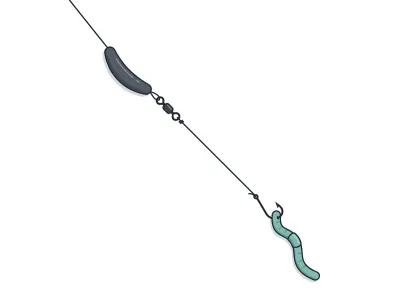
Live-Bait (Lindy) Rig + Leech/Crawler
jumbo leech or half a nightcrawler
Walleye · Trolling
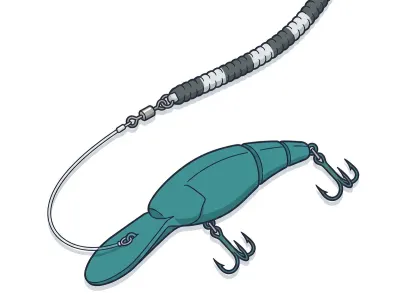
Leadcore Line + Crankbaits
4–5" mid-diving crankbait behind a long leadcore run
Largemouth bass · Soft plastics
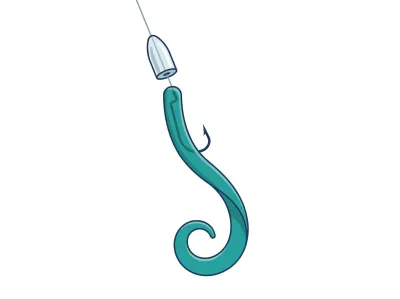
Texas-Rigged Worm
7" ribbon-tail or straight-tail plastic worm
Largemouth bass · Soft plastics
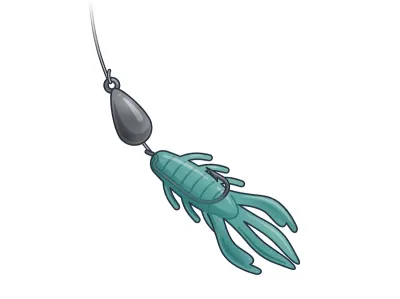
Free Rig
Creature bait or magnum finesse worm
Smallmouth bass · Soft plastics
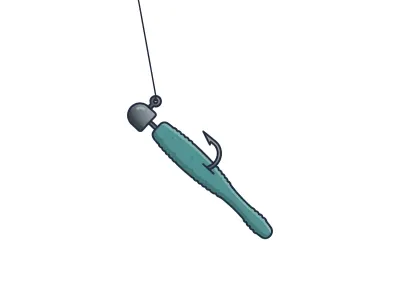
Ned Rig
2.75" finesse stickbait or craw-style Ned bait
Smallmouth bass · Soft plastics
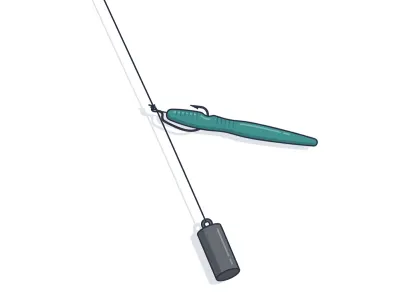
Drop Shot (Finesse Plastic)
4" finesse worm or 3" minnow-profile plastic
Full setups, including hooks, weights and line, are on the live map. As an Amazon Associate I earn from qualifying purchases.
DNR stocking records
Stocking history
| Year | Species | Stocked |
|---|---|---|
| 2025 | Muskellunge | 1,381 fingerlings · 4 yearlings |
| 2025 | Walleye | 2,759,000 fry · 26,104 fingerlings · 35 yearlings · 1,062 adults |
| 2024 | Walleye | 30,000 fingerlings |
| 2023 | Muskellunge | 1,400 fingerlings |
| 2023 | Walleye | 2,759,000 fry · 45,000 fingerlings |
| 2022 | Walleye | 1,830,000 fry · 60,844 fingerlings |
| 2021 | Muskellunge | 1,400 fingerlings |
| 2021 | Walleye | 2,759,000 fry · 30,000 fingerlings |
| 2020 | Walleye | 39,000 fingerlings |
| 2019 | Muskellunge | 1,406 fingerlings |
| 2019 | Walleye | 2,759,000 fry · 42,867 fingerlings |
| 2018 | Walleye | 35,000 fingerlings |
Stocking records before 2018 omitted.
MN DNR · in their words
From the 2023 survey
Lake Miltona, located north of Alexandria between the towns of Miltona and Leaf Valley, is the largest (5,724 acres) recreational fishing lake in Douglas County. Maximum depth exceeds 100 feet. The lake supports a productive fishery since nearly half of the basin is less than 15 feet in depth and a well oxygenated thermal refuge area exists for coolwater fishes during summer months. Lake Miltona lies within the Long Prairie River watershed and is connected to Lake Ida to the south and Lake Irene to the east via non-navigable channels. Water quality and clarity are considered good. Water clarity has increased since establishment of zebra mussels and often exceeds 15 feet during summer months. Residential development surrounds much of the lake. This lake is a very popular destination for both anglers and recreational boaters. Recreational pressure can be high, especially on weekend days during summer months. Three public accesses are present. Parking is limited on the west access. Primary fish management efforts are focused on Walleye and Muskellunge with bass and sunfish being species of secondary management importance.
A standard fisheries survey was completed in 2023 to assess the fish community and gain updated estimates of abundance and size structure of gamefish populations. Lake Miltona is well known as a quality Walleye fishery. Walleye abundance (10.8 fish/gill net) has increased since the record-low level that was documented in 2019. Current abundance is now considered high when compared to similar lakes across Minnesota. Higher abundance can be attributed to increased survival and recruitment of young fish in recent years. Almost 65% of the gill net sample was comprised of Walleyes age 3 or younger. Mean size of Walleye captured in 2023 was 15.2 inches and 1.4 pounds. Lake Miltona supports a popular Muskellunge fishery. It is one of three lakes within the Glenwood Management Area where Muskellunge fingerlings are stocked. The "trophy" potential of this lake is relatively high. Previous angler reports and survey findings indicate that fish exceeding 50 inches are not uncommon. The current statewide regulation is a 54-inch minimum length limit. All muskies less than 54 inches in total length (tip of closed mouth to tip of closed tail fin) must be released immediately. Lake Miltona supports both Largemouth and Smallmouth Bass populations. Largemouth Bass are more abundant but average size of Smallmouth Bass tends to be larger. The largest Smallmouth Bass sampled in 2023 was just shy of 19 inches. Black Crappie and Bluegill populations tend to exhibit moderate abundance and size structure. Average length of Black Crappie in 2023 was 9.2 inches in trap nets and 10.6 inches in gill nets. Average length of Bluegill in 2023 was 6.3 inches in trap nets and 5.3 inches in gill nets. Northern Pike are not abundant (2.1 fish/gill net) but size structure of this population has improved in recent years. Average size in 2023 was 23.2 inches and 3.1 pounds. The largest pike measured was almost 33 inches. Muskellunge likely aid in keeping the pike population from becoming overabundant. Northern Pike zone regulations were implemented in 2018 to help improve pike size structure. Lake Miltona is located in the North-Central Zone. Anglers can keep up to 10 pike but not more than two can be over 26 inches in length. All pike between 22-26 inches must be immediately released. Yellow Perch abundance (12.0 fish/gill net) continues to decline. Harvestable-size perch are present, but the majority of this population is comprised of smaller individuals.
Read the full DNR narrative
Other species collected during the 2023 survey include Black, Brown, and Yellow Bullhead, Hybrid Sunfish, Pumpkinseed, Rock Bass, Tullibee (Cisco), and White Sucker. The next lake survey is tentatively scheduled for 2027.
Lake Miltona is designated as an infested waterbody due to the presence of zebra mussels, which were first confirmed in 2012. For more information regarding aquatic invasive species in Minnesota see the following: http://www.dnr.state.mn.us/invasives/aquatic/index.html.
Narrative text from the Minnesota DNR lake survey.
Recent reports
Lake Miltona fishing reports
Recent reports on Lake Miltona from guides, tournaments and regular anglers. Anything posted in the last two weeks also bumps the matching spots on the live map, so you'll see a "matches a recent report" tag on them.
Public water access
Getting on the water
- Miltona Lake (NW) (trailer launch)
- Miltona Lake, Parson Park (NE) (trailer launch)
- Miltona Lake, Sandy Beach (trailer launch)
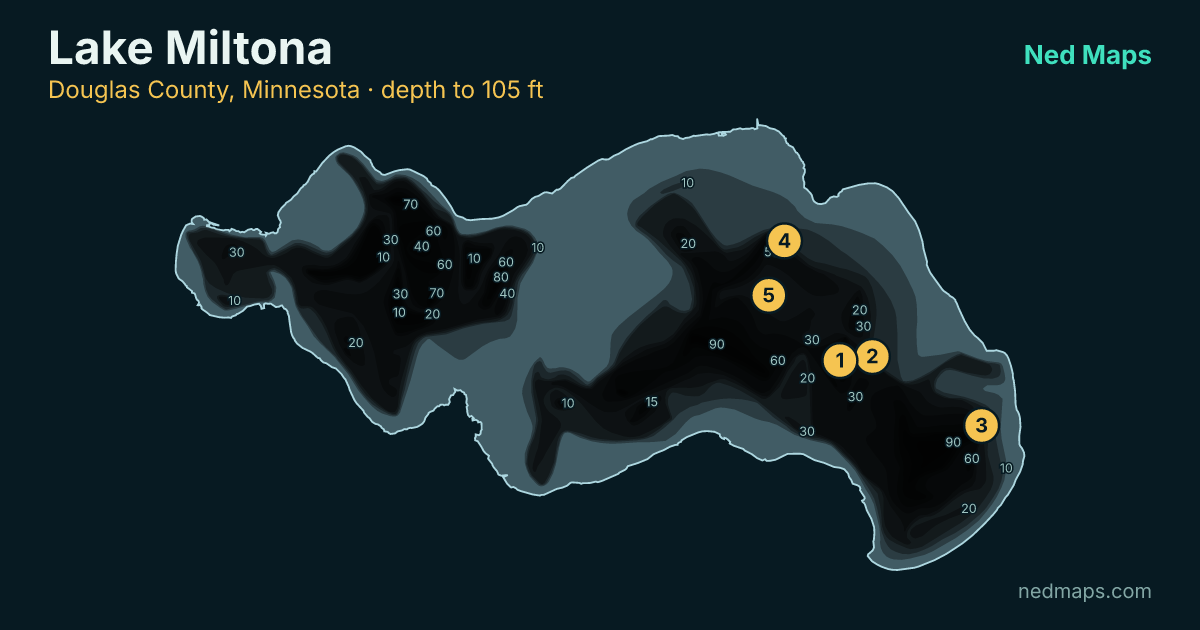
DNR bathymetry
Lake Miltona depth map
Within 30 miles
Nearby lakes
- Vermont Lake · 342 ac · 3 mi
- Lake Irene · 639 ac · 3.7 mi
- Lake Ida · 4,445 ac · 4.3 mi
- Indian Lake · 99 ac · 4.9 mi
- Lake Carlos · 2,605 ac · 5.5 mi
- Fish Lake · 489 ac · 6.4 mi
- Lake Adley · 241 ac · 6.8 mi
- Lake Louise · 215 ac · 8 mi
Quick answers
Frequently asked questions
How deep is Lake Miltona?
Lake Miltona reaches 105 ft at its deepest point; about 48% of the lake is littoral (15 ft or shallower).
How big is Lake Miltona?
Lake Miltona covers 5,731 acres with about 17.5 miles of shoreline.
How clear is the water in Lake Miltona?
DNR Secchi readings on Lake Miltona average 10.7 ft of visibility, clear water for a Minnesota lake.
What fish are in Lake Miltona?
Minnesota DNR surveys (most recently 2023) record walleye, largemouth bass, smallmouth bass, northern pike, muskellunge, bluegill, crappie, yellow perch, rock bass.
Is Lake Miltona stocked?
Yes. The DNR stocked muskellunge and walleye in 2025; the stocking table on this page lists every year back to 2018.
Does Lake Miltona have a public access?
Yes. Lake Miltona has 3 public access sites, including Miltona Lake (NW) (trailer launch).
How big do walleye get in Lake Miltona?
The biggest walleye measured in recent DNR surveys taped 28"; the size-history table on this page tracks the biggest fish in each survey back to 1995.
When was Lake Miltona last surveyed?
The Minnesota DNR last surveyed Lake Miltona in 2023, the most recent of 17 surveys on record.
Page updated .

Featured guide spot
Your guide service here
One featured guide per lake, with your photo, your writeup and a link straight to your booking page. Free through December 31, 2026.
Then $20 a month from January. Cancel any time.
The live map adds today's conditions and ranked spots for Lake Miltona, plus a trip plan you can share:
Open Lake Miltona on the live map → Fished it lately? Write a report