Minnesota · Itasca County
Horseshoe Lake Fishing guide
Horseshoe Lake sits in Itasca County, Minnesota, and covers 260 acres, reaching 25 ft at its deepest point. Secchi readings average around 11.5 ft of visibility. The Minnesota DNR has surveyed the lake 5 times, most recently in 2007, with walleye, largemouth bass, smallmouth bass and northern pike in the nets. That survey is 19 years old now.
DNR survey data
Fish species
WalleyeFair numbers2.4per gill net21"Typical27"Biggest
Lengths measured · 12 fish
Recent · 2007Lengths measured · 12 fish
2007Lengths measured · 18 fish
1997Largemouth bassPresent0.6per gill net8"Typical16"Biggest
Lengths measured · 10 fish
Smallmouth bassPresent3.8per gill net14"Typical18"Biggest
Lengths measured · 27 fish
Recent · 2007Lengths measured · 27 fish
2007Lengths measured · 2 fish
1997Only 2 fish measured that year — too few to read as a shape.
Northern pikeFair numbers8.4per gill net17"Typical33"Biggest
Lengths measured · 58 fish
Recent · 2007Lengths measured · 58 fish
2007Lengths measured · 123 fish
1997BluegillJust a few18.1per trap net5"Typical9"Biggest
Lengths measured · 173 fish
Recent · 2007Lengths measured · 173 fish
2007Lengths measured · 4 fish
1997Only 4 fish measured that year — too few to read as a shape.
No recent survey rating.
Rock bassGood numbers0.9per trap net5"Typical10"Biggest
Lengths measured · 17 fish
Recent · 2007Lengths measured · 17 fish
2007Lengths measured · 2 fish
1997Only 2 fish measured that year — too few to read as a shape.
Rates come from standard DNR survey gear (gill nets, trap nets, electrofishing), judged against statewide benchmarks for the same gear, so the same number of fish per net can read differently for two species. Where the standard gear can't count a species reliably, only presence and size are listed. Typical is the middle fish of those measured. Open a row for the full length spread, survey by survey.
How to fish Horseshoe Lake through the year
Walleye
- Spring
- Walleye are shallow, on and just off the spawning flats and the first green weeds. At 11.5 ft of clarity, fish them deeper and lighter than usual.
- Early summer
- Walleye are setting up on the outside weed edge, points and shallow structure.
- Summer
- Walleye are working the weed edge, points and any wind-blown structure. With 93% of this lake 15 ft or shallower, the weed edge is the main event.
- Fall
- Walleye are packing onto the sharpest breaks and points as the water cools, in big schools with short windows.
Northern pike
- Spring
- Pike are in the shallow bays and along new weed growth. At 11.5 ft of clarity, fish them deeper and lighter than usual.
- Early summer
- Pike are on the outside weed edge and points.
- Summer
- Pike are on the deep weed edge and points near the coolest water they can find. With 93% of this lake 15 ft or shallower, the weed edge is the main event.
- Fall
- Pike are on the last green weeds and the breaks beside them, feeding heavily as the water drops.
Season patterns for each species. Open the live map for today's wind, light and water temp.
Size history
Biggest fish by survey year
| Survey year | Walleye | Northern pike | Largemouth bass |
|---|---|---|---|
| 2007 | 27" | 33" | 16" |
| 1997 | 19" | 32" | — |
Longest fish measured by DNR survey crews in each year's nets. Survey gear samples the population, so the lake usually holds larger fish than any survey measured.
Suggested tackle
What to bring
Top presentations for this lake's structure and clarity:
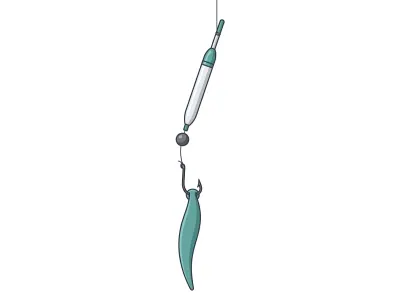
Walleye · Trolling
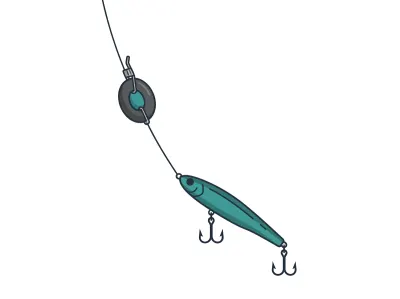
Snap Weights + Stickbaits
4–5" suspending or slow-floating stickbait
Northern pike · Hardbaits
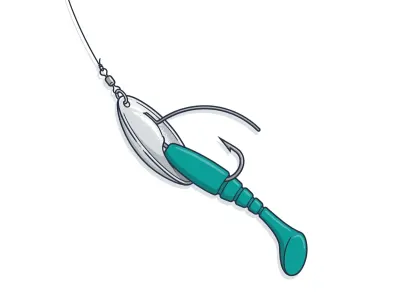
Weedless Spoon + Trailer (Silver Minnow)
3/8–1/2 oz weedless spoon
Northern pike · Soft plastics

Paddletail Swimbait on Jighead
4–5" paddletail swimbait on a ball-head swimbait jighead
Largemouth bass · Soft plastics
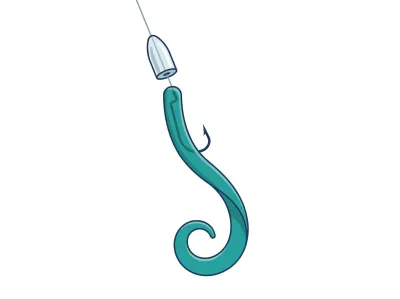
Texas-Rigged Worm
7" ribbon-tail or straight-tail plastic worm
Largemouth bass · Jigs & bladed
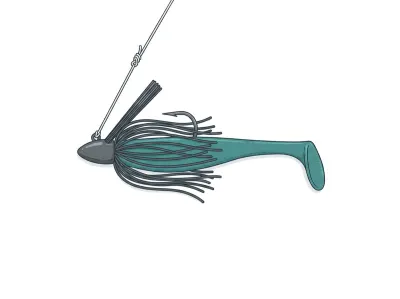
Swim Jig + Paddletail Trailer
3.5–4.5" paddletail trailer on a bullet-nosed swim jig
Full setups, including hooks, weights and line, are on the live map. As an Amazon Associate I earn from qualifying purchases.
MN DNR · in their words
From the 2007 survey
Horseshoe Lake is a 270-acre lake in Itasca County near Marcell. Horseshoe Lake is a relatively small, shallow, hardwater lake that has occasionally experienced winterkill. The lake has historically been managed for walleye and centrachids. A population assessment was conducted on Horseshoe Lake in 2007 to determine the status of the fish community.
Black bullhead were the most common fish in the gill nets. The catch rate of 15.0/gill net was within the expected range when compared to similar lakes. Most black bullheads were relatively large with a mean length of 9.3 inches. Bullheads are very resilient to winterkill situations and often dominate the fish community following a winterkill. The current catch rate and lack of smaller individuals suggest stable fish habitat has occurred in recent years.
Read the full DNR narrative
Northern pike were the second most common fish in the gill nets. The catch of 8.4/gill net falls within the expected range when compared to similar lakes. With the exception of the previous survey in 1997 when the gill net catch was exceptionally high in response to a 1992 winterkill, pike catches from Horseshoe Lake have been about average for the type of lake. Size structure in 2007 was relatively poor as most individuals were less than 21 inches.
Lakes with similar characteristics to Horseshoe do not typically produce large walleye catches and angling potential for this species tends to be limited. Horseshoe Lake has a history of producing walleye in good numbers when compared to similar lakes, however. In 2007, walleye were caught at a rate of 2.4/gill net, which falls within the expected range for this type of lake. Size structure was favorable for anglers as all captured individuals exceeded 19 inches.
Bluegill were the most common fish in the trap net. The catch rate of 18.1/trap net was within the expected range when compared to similar lakes. The bluegill population appears to have increased in recent years as the previous survey in 1997 resulted in a catch of only 0.4/net. In 2007, small size was typical, as most individuals did not exceed 6 inches.
Black crappie have historically occurred in relatively low abundance in Horseshoe Lake and remained in low abundance in 2007. Size distribution was favorable, however, as most captured individuals exceeded 9 inches.
Largemouth bass were sampled in low numbers. Test netting often results in a poor index of bass abundance as bass tend to avoid the nets. Smallmouth bass were sampled in relatively good numbers in the gill nets. The catch of 3.8 is well above average when compared to similar lakes. Size structure of smallmouth bass was favorable to anglers as most individuals exceeded 14 inches.
Other species captured in low numbers include pumpkinseed, rock bass, yellow and brown bullheads, and white sucker.
The protection of water quality and habitat is critical in maintaining or improving fish and wildlife populations. Unfortunately, human activities often negatively impact our lakes. Fertilized turf-grass lawns and failing septic systems along with the removal of shoreline and aquatic vegetation, mowing to the shore, and installing sand blanket beaches result in destabilized shorelines, uncontrolled erosion, and increased run-off, contributing excess nutrients and sediment to the lake and degrading water quality and habitat. By understanding the cumulative impacts of our actions and taking steps to avoid or minimize them, we can help insure our quality water resources can be enjoyed well into the future. Anglers can further help insure quality fishing by practicing selective harvest and catch and release.
Narrative text from the Minnesota DNR lake survey.
Recent reports
Horseshoe Lake fishing reports
Recent reports on Horseshoe Lake from guides, tournaments and regular anglers. Anything posted in the last two weeks also bumps the matching spots on the live map, so you'll see a "matches a recent report" tag on them.
Public water access
Getting on the water
- Public access: between VT 18 and VT 19. access used for survey
DNR bathymetry
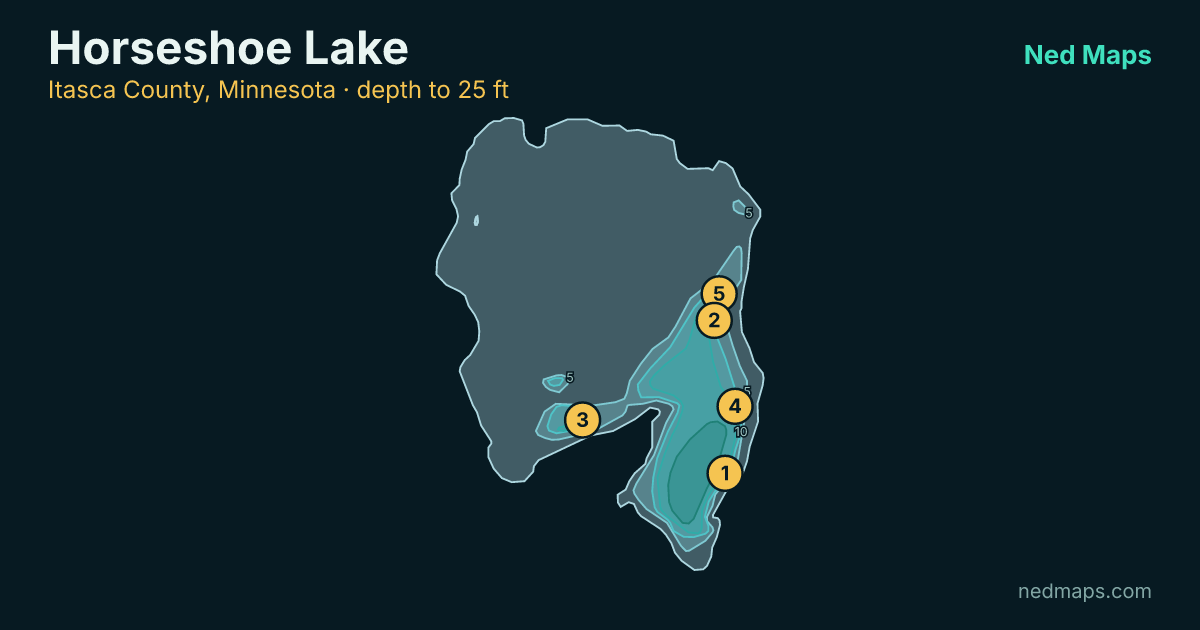
Horseshoe Lake depth map
Within 30 miles
Nearby lakes
- Bello Lake · 527 ac · 1.4 mi
- Maple Lake · 255 ac · 1.9 mi
- Turtle Lake · 2,126 ac · 2.8 mi
- Hatch Lake · 226 ac · 3 mi
- Johnson Lake · 304 ac · 3 mi
- Batson Lake · 114 ac · 3.6 mi
- Jack the Horse Lake · 364 ac · 4.1 mi
- Long Lake · 155 ac · 4.5 mi
Quick answers
Frequently asked questions
How deep is Horseshoe Lake?
Horseshoe Lake reaches 25 ft at its deepest point; about 93% of the lake is littoral (15 ft or shallower).
How big is Horseshoe Lake?
Horseshoe Lake covers 260 acres with about 3.2 miles of shoreline.
How clear is the water in Horseshoe Lake?
DNR Secchi readings on Horseshoe Lake average 11.5 ft of visibility, clear water for a Minnesota lake.
What fish are in Horseshoe Lake?
Minnesota DNR surveys (most recently 2007) record walleye, largemouth bass, smallmouth bass, northern pike, bluegill, crappie, yellow perch, rock bass.
Is Horseshoe Lake stocked?
No stocking is on record for Horseshoe Lake in the DNR's stocking database.
Does Horseshoe Lake have a public access?
Yes. Horseshoe Lake has one public access site: Public access (between VT 18 and VT 19. access used for survey).
How big do walleye get in Horseshoe Lake?
The biggest walleye measured in recent DNR surveys taped 27"; the size-history table on this page tracks the biggest fish in each survey back to 1997.
When was Horseshoe Lake last surveyed?
The Minnesota DNR last surveyed Horseshoe Lake in 2007, the most recent of 5 surveys on record. A survey that old is a starting point, not a current reading.
Page updated .

Featured guide spot
Your guide service here
One featured guide per lake, with your photo, your writeup and a link straight to your booking page. Free through December 31, 2026.
Then $20 a month from January. Cancel any time.
The live map adds today's conditions and ranked spots for Horseshoe Lake, plus a trip plan you can share:
Open Horseshoe Lake on the live map → Fished it lately? Write a report