Minnesota · Wright County
Constance Lake Fishing guide
Constance Lake is a 175-acre lake in Wright County, Minnesota, reaching 23 ft at its deepest point. Average water clarity runs about 5 ft. The Minnesota DNR has surveyed the lake 6 times, most recently in 2021, with walleye, largemouth bass, northern pike and bluegill in the nets.
DNR survey data
Fish species
No recent survey rating.
Largemouth bassOne of the best around142.1per hr (electrofishing)12"Typical19"Biggest
Lengths measured · 246 fish
Recent · 2021Lengths measured · 246 fish
2021Lengths measured · 110 fish
2011Lengths measured · 74 fish
2001Northern pikeJust a few3per gill net28"Typical37"Biggest
Lengths measured · 18 fish
Recent · 2021Lengths measured · 18 fish
2021Lengths measured · 3 fish
2011Only 3 fish measured that year — too few to read as a shape.
Lengths measured · 24 fish
2001BluegillJust a few7per trap net6"Typical14"Biggest
Lengths measured · 247 fish
Recent · 2021Lengths measured · 247 fish
2021Lengths measured · 372 fish
2011Lengths measured · 668 fish
2001CrappieJust a few0.1per trap net8"Typical10"Biggest
Lengths measured · 66 fish
Recent · 2021Lengths measured · 66 fish
2021Lengths measured · 112 fish
2011Lengths measured · 116 fish
2001Yellow perchGood numbers6.5per gill net8"Typical11"Biggest
Lengths measured · 39 fish
Recent · 2021Lengths measured · 39 fish
2021Lengths measured · 29 fish
2011Lengths measured · 21 fish
2001Rates come from standard DNR survey gear (gill nets, trap nets, electrofishing), judged against statewide benchmarks for the same gear, so the same number of fish per net can read differently for two species. Where the standard gear can't count a species reliably, only presence and size are listed. Typical is the middle fish of those measured. Open a row for the full length spread, survey by survey.
How to fish Constance Lake through the year
Largemouth bass
- Spring
- Largemouth are moving up into the warming bays and flats, staging around wood, docks and new weeds to spawn.
- Early summer
- Largemouth are on the shallow spawning flats and protected bays, where beds go on firm bottom next to isolated cover.
- Summer
- Largemouth are in and along the weeds: cabbage and milfoil edges, matted cover and shade.
- Fall
- Largemouth are chasing bait back onto the flats and into the remaining green weeds, feeding hard and shallow before the freeze.
Northern pike
- Spring
- Pike are in the shallow bays and along new weed growth.
- Early summer
- Pike are on the outside weed edge and points.
- Summer
- Pike are on the deep weed edge and points near the coolest water they can find.
- Fall
- Pike are on the last green weeds and the breaks beside them, feeding heavily as the water drops.
Season patterns for each species. Open the live map for today's wind, light and water temp.
Size history
Biggest fish by survey year
| Survey year | Largemouth bass | Northern pike | Yellow perch |
|---|---|---|---|
| 2021 | 19" | 37" | 11" |
| 2011 | 13" | 32" | 9" |
| 2001 | 18" | 34" | 9" |
Longest fish measured by DNR survey crews in each year's nets. Survey gear samples the population, so the lake usually holds larger fish than any survey measured.
Suggested tackle
What to bring
Top presentations for this lake's structure and clarity:
Largemouth bass · Soft plastics
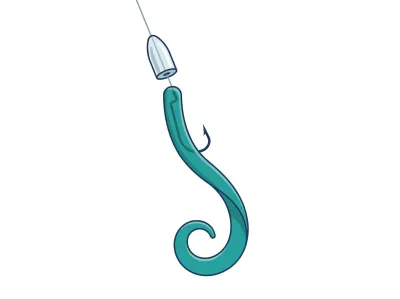
Texas-Rigged Worm
7" ribbon-tail or straight-tail plastic worm
Largemouth bass · Soft plastics
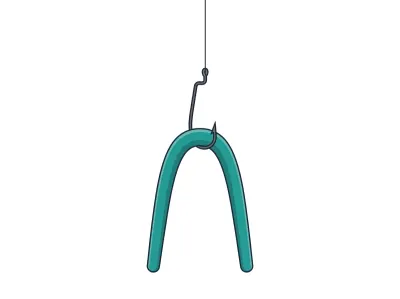
Wacky-Rigged Stickworm
5" stickworm
Northern pike · Soft plastics
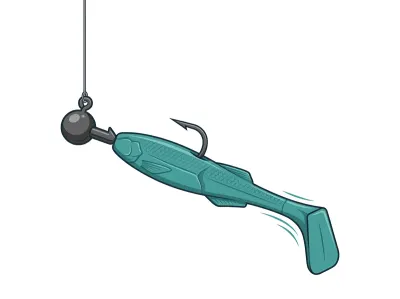
Paddletail Swimbait on Jighead
4–5" paddletail swimbait on a ball-head swimbait jighead
Northern pike · Jigs & bladed
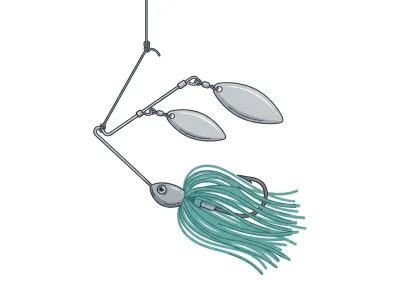
Spinnerbait
3/8–1/2 oz safety-pin spinnerbait with tandem willow-leaf blades
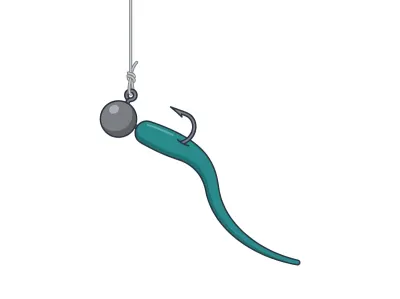
Yellow perch · Soft plastics
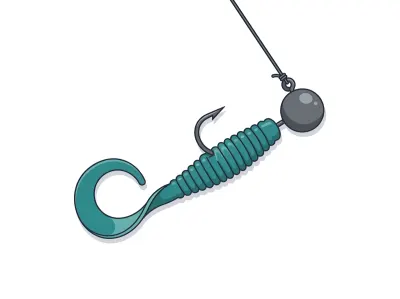
Curly-Tail Grub on Jig
3" curly-tail grub threaded on a round jighead
Full setups, including hooks, weights and line, are on the live map. As an Amazon Associate I earn from qualifying purchases.
MN DNR · in their words
From the 2021 survey
Lake Constance is a 161-acre recreational development lake located 2 miles northwest of the City of Buffalo in central Wright County. It has a small watershed with the primary land uses being agriculture, forest, and pasture. The lake has poor water quality and has experienced both summer and winterkills in the past. The lake has no outlet so water levels can fluctuate dramatically depending on ground water conditions. A public access is located along the NW side of the lake with room for up to four truck/trailer combos. A standard lake survey was conducted in 2021 to update fisheries data last collected in 2011.
Walleye stocking has been attempted in the past with little success and was discontinued after 1990. No walleyes have been caught over the past two surveys.
Read the full DNR narrative
Anglers have an opportunity to catch quality-sized Northern Pike. The low numbers of pike in the lake has allowed them to achieve a larger size. Anglers are still encouraged to harvest small pike ( 26 inches) to help protect this larger size structure. Northern Pike sampled ranged in length from 21 to 37 inches with an average length and weight of 29 inches and 6 pounds. Sixty-five percent of the pike caught were longer than 26 inches and 29% were longer than 30 inches.
Largemouth Bass may also provide a great angling opportunity with many quality-sized fish in the lake. Two hundred thirty- eight bass were sampled by daytime electrofishing in May 2021. The catch was much higher than previous surveys and three times higher than the average daytime catch for Sauk Rapids Area lakes. Bass sampled ranged in length from 6 to 19 inches with an average length of 13 inches. Most of the bass were good-sized with 52% being longer than 12 inches and 23% longer than 15 inches.
The Yellow Perch catch continues to be low. Only nine perch were caught and ranged in length from 6 to 12 inches with an average length of 9 inches. Since Northern Pike numbers are low and Walleye are absent, Yellow Perch abundance has the potential to increase over the next few years.
Panfish are another great asset to this lake. In 2021, trap net sampling was completed in the spring instead of summer for the first time. The goal was to capture a larger sample of crappie, but only one was caught. This was the lowest catch on record. However, crappie abundance appears to be good as the gill net catch was within the range of expected values for the lake class. Black Crappie sampled ranged in length from 6 to 11 inches and averaged eight 8 inches. Sixty-seven percent of the crappie sampled were longer than 8 inches and 6% were longer than 10 inches. Bluegill catches showed a similar trend as the trap net catch was also the lowest on record, but the gill net catch was the highest. Bluegill sampled ranged in length from 3 to 9 inches with an average length of 7 inches. Although some larger Bluegill were sampled, only 6% were over 8 inches.
Other species sampled during the survey included Brown Bullhead, Yellow Bullhead, Bowfin (Dogfish), Hybrid Sunfish, and Pumpkinseed.
People can have significant impacts on lakes and the fish populations they support. Fish harvest, lakeshore development, removal of shoreline vegetation, and introductions of aquatic invasive species (AIS) can all adversely affect fish populations. In 2016, Eurasian watermilfoil was identified in Lake Constance. AIS can be moved from infested to non-infested waters by anglers, boaters, and lake shore owners. To avoid spreading AIS, lake users are required to remove all aquatic plants or animals from their watercraft and drain all water from their boat before leaving the access. If you suspect an infestation of an invasive species in this lake, save a specimen and report it to a local DNR office. Additional information on all of these topics can be found on the DNR website (www.dnr.state.mn.us) or by contacting the Sauk Rapids Area Fisheries office.
Narrative text from the Minnesota DNR lake survey.
Recent reports
Constance Lake fishing reports
Recent reports on Constance Lake from guides, tournaments and regular anglers. Anything posted in the last two weeks also bumps the matching spots on the live map, so you'll see a "matches a recent report" tag on them.
Public water access
Getting on the water
- Constance Lake (trailer launch)
DNR bathymetry
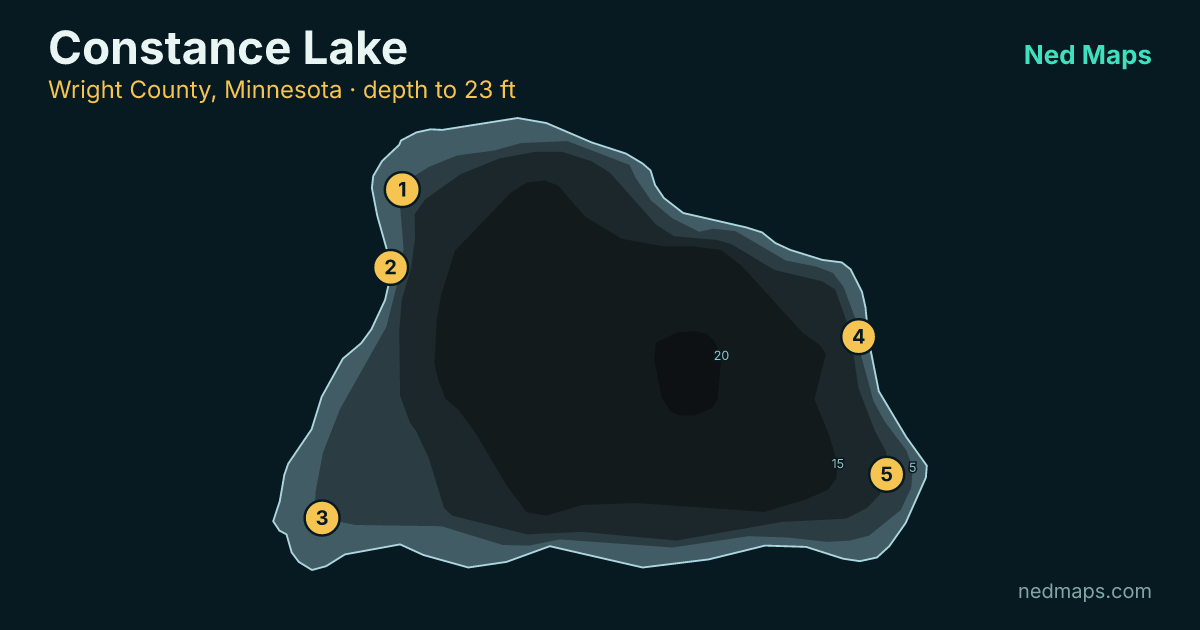
Constance Lake depth map
Within 30 miles
Nearby lakes
- Pulaski Lake · 813 ac · 1.2 mi
- Black Lake · 98 ac · 2.9 mi
- Cedar Lake · 206 ac · 3.3 mi
- Light Foot Lake · 69 ac · 3.3 mi
- Washington Lake · 156 ac · 3.6 mi
- North Twin Lake · 49 ac · 3.9 mi
- Sullivan Lake · 71 ac · 3.9 mi
- South Twin Lake · 44 ac · 4 mi
Quick answers
Frequently asked questions
How deep is Constance Lake?
Constance Lake reaches 23 ft at its deepest point with a mean depth of 12.5 ft; about 50% of the lake is littoral (15 ft or shallower).
How big is Constance Lake?
Constance Lake covers 175 acres with about 2.6 miles of shoreline.
How clear is the water in Constance Lake?
DNR Secchi readings on Constance Lake average 5 ft of visibility, middling clarity for a Minnesota lake.
What fish are in Constance Lake?
Minnesota DNR surveys (most recently 2021) record walleye, largemouth bass, northern pike, bluegill, crappie, yellow perch.
Is Constance Lake stocked?
No stocking is on record for Constance Lake in the DNR's stocking database.
Does Constance Lake have a public access?
Yes. Constance Lake has one public access site: Constance Lake (trailer launch).
How big do largemouth bass get in Constance Lake?
The biggest largemouth bass measured in recent DNR surveys taped 19"; the size-history table on this page tracks the biggest fish in each survey back to 2001.
When was Constance Lake last surveyed?
The Minnesota DNR last surveyed Constance Lake in 2021, the most recent of 6 surveys on record.
Page updated .

Featured guide spot
Your guide service here
One featured guide per lake, with your photo, your writeup and a link straight to your booking page. Free through December 31, 2026.
Then $20 a month from January. Cancel any time.
The live map adds today's conditions and ranked spots for Constance Lake, plus a trip plan you can share:
Open Constance Lake on the live map → Fished it lately? Write a report