Minnesota · Aitkin County
Blackface Lake Fishing guide
Blackface Lake sits in Aitkin County, Minnesota, and covers 192 acres, reaching 18 ft at its deepest point. The Minnesota DNR has surveyed the lake 1 time, most recently in 1986, with largemouth bass, northern pike, bluegill and yellow perch in the nets. That survey is 40 years old now.
DNR survey data
Fish species
The DNR last surveyed Blackface Lake in 1986. Ratings need a survey from the last 20 years, so this page lists the species from that older record without numbers.
- Largemouth bass
- Northern pike
- Bluegill
- Yellow perch
How to fish Blackface Lake through the year
Largemouth bass
- Spring
- Largemouth are moving up into the warming bays and flats, staging around wood, docks and new weeds to spawn.
- Early summer
- Largemouth are on the shallow spawning flats and protected bays, where beds go on firm bottom next to isolated cover.
- Summer
- Largemouth are in and along the weeds: cabbage and milfoil edges, matted cover and shade. With 89% of this lake 15 ft or shallower, the weed edge is the main event.
- Fall
- Largemouth are chasing bait back onto the flats and into the remaining green weeds, feeding hard and shallow before the freeze. A 18-ft bowl cools fast, so the fall window comes early here.
Northern pike
- Spring
- Pike are in the shallow bays and along new weed growth.
- Early summer
- Pike are on the outside weed edge and points.
- Summer
- Pike are on the deep weed edge and points near the coolest water they can find. With 89% of this lake 15 ft or shallower, the weed edge is the main event.
- Fall
- Pike are on the last green weeds and the breaks beside them, feeding heavily as the water drops. A 18-ft bowl cools fast, so the fall window comes early here.
Season patterns for each species. Open the live map for today's wind, light and water temp.
Suggested tackle
What to bring
Top presentations for this lake's structure and clarity:
Largemouth bass · Hardbaits
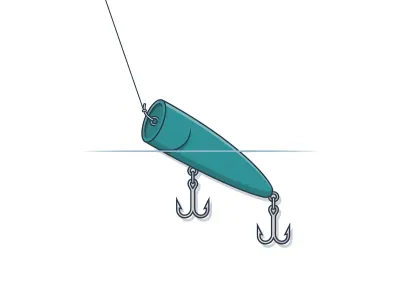
Topwater Popper
2.5–3" concave-face popper
Largemouth bass · Hardbaits
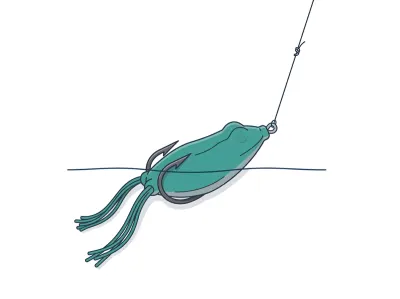
Hollow-Body Frog
3–3.5" hollow-body frog
Northern pike · Soft plastics

Paddletail Swimbait on Jighead
4–5" paddletail swimbait on a ball-head swimbait jighead
Northern pike · Muskie & pike
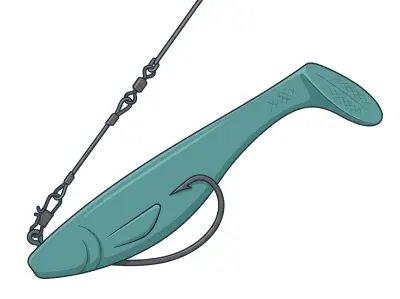
Soft Rubber (Bull Dawg / Medusa)
10" soft rubber body bait
Bluegill · Live bait
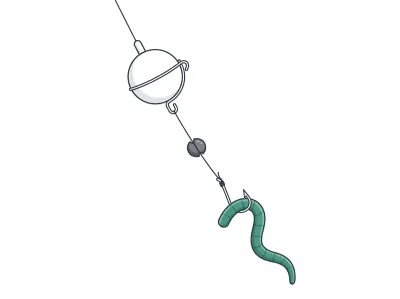
Clip-On Bobber + Worm
half to whole garden nightcrawler
Bluegill · Soft plastics
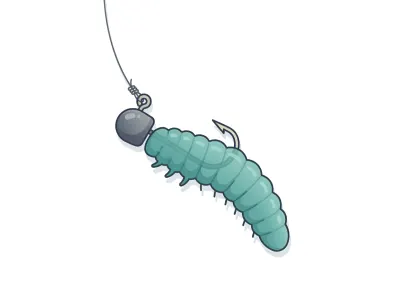
Tungsten Jig + Micro Plastic
1–1.5" micro plastic
Full setups, including hooks, weights and line, are on the live map. As an Amazon Associate I earn from qualifying purchases.
MN DNR · in their words
From the 1986 survey
Northern pike and brown bullhead indices are above the third regional quartile. The catch indices for black bullhead, pumpkinseed, largemouth bass and yellow perch are between the first and third regional quartiles. The index of abundance for blue- gill is below the first regional quartile. The indices of abundance for black bullhead, brown bull- head and yellow perch are above the third area quartile. Catch indices for northern pike, pumpkinseed and largemouth bass are between the first and third area quartiles. The trap net index for bluegill is below the first area quartile. North- ern pike ranged from one to eight plus years of age. Age two and age three fish dominated the sample with twenty five percent each; age one, age four and age six each made up thirteen percent of the sample. Growth the first, second and third increments were normal. Growth the fourth, fifth, sixth and seventh increments progressed from forty five percent to sixty nine percent slower than normal. Pumpkinseed were all three years old. Growth rates for all three increments were normal. Bluegill were from four to eight years old. Growth for the first increment was eighty percent faster than normal and the second increment was sixty percent faster than normal. The third increment had a normal growth rate. The fourth and fifth increments were thirty three and twenty three percent slower than normal respectively. Largemouth bass were two and three years old. Growth for the first increment was twenty percent faster than normal, the second increments growth was thirty four percent faster than normal and the third increment had normal growth. Yellow perch ranged from three to seven years old with no dominate year class seen in the sample. Growth rates for all increments were within the range that is considered normal for yellow perch in Minnesota.
Narrative text from the Minnesota DNR lake survey.
Recent reports
Blackface Lake fishing reports
Recent reports on Blackface Lake from guides, tournaments and regular anglers. Anything posted in the last two weeks also bumps the matching spots on the live map, so you'll see a "matches a recent report" tag on them.
Public water access
Getting on the water
- Blackface Lake (trailer launch)
DNR bathymetry
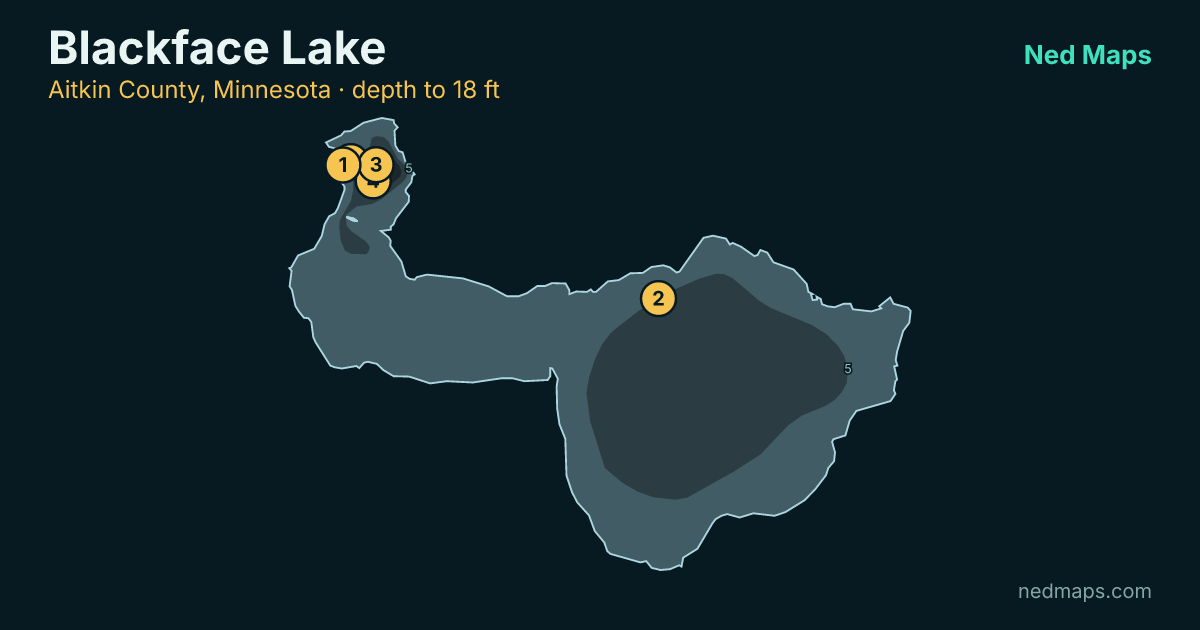
Blackface Lake depth map
Within 30 miles
Nearby lakes
- Little Ball Bluff Lake · 37 ac · 1.4 mi
- Ball Bluff Lake · 169 ac · 1.6 mi
- Hay Lake · 129 ac · 2.4 mi
- Vanduse Lake · 240 ac · 3.2 mi
- Boot Lake · 80 ac · 4.9 mi
- Wakefield Lake · 164 ac · 5.7 mi
- Savanna Lake · 101 ac · 6.4 mi
- Wolf Lake · 173 ac · 6.7 mi
Quick answers
Frequently asked questions
How deep is Blackface Lake?
Blackface Lake reaches 18 ft at its deepest point; about 89% of the lake is littoral (15 ft or shallower).
How big is Blackface Lake?
Blackface Lake covers 192 acres with about 3.5 miles of shoreline.
What fish are in Blackface Lake?
Minnesota DNR surveys (most recently 1986) record largemouth bass, northern pike, bluegill, yellow perch.
Is Blackface Lake stocked?
No stocking is on record for Blackface Lake in the DNR's stocking database.
Does Blackface Lake have a public access?
Yes. Blackface Lake has one public access site: Blackface Lake (trailer launch).
When was Blackface Lake last surveyed?
The Minnesota DNR last surveyed Blackface Lake in 1986. That is more than 20 years ago, so this page lists species without ratings.
Page updated .

Featured guide spot
Your guide service here
One featured guide per lake, with your photo, your writeup and a link straight to your booking page. Free through December 31, 2026.
Then $20 a month from January. Cancel any time.
The live map adds today's conditions and ranked spots for Blackface Lake, plus a trip plan you can share:
Open Blackface Lake on the live map → Fished it lately? Write a report