Minnesota · Itasca County
Big Ole Lake Fishing guide
Big Ole Lake sits in Itasca County, Minnesota, and covers 217 acres, reaching 65 ft at its deepest point. The Minnesota DNR has surveyed the lake 3 times, most recently in 2001, with walleye, largemouth bass, smallmouth bass and northern pike in the nets. That survey is 25 years old now.
DNR survey data
Fish species
The DNR last surveyed Big Ole Lake in 2001. Ratings need a survey from the last 20 years, so this page lists the species from that older record without numbers.
- Walleye
- Largemouth bass
- Smallmouth bass
- Northern pike
- Bluegill
- Crappie
- Yellow perch
How to fish Big Ole Lake through the year
Walleye
- Spring
- Walleye are shallow, on and just off the spawning flats and the first green weeds.
- Early summer
- Walleye are setting up on the outside weed edge, points and shallow structure.
- Summer
- Walleye are working the weed edge, points and any wind-blown structure. On a lake that drops to 65 ft, check the deep edge of that structure too.
- Fall
- Walleye are packing onto the sharpest breaks and points as the water cools, in big schools with short windows.
Largemouth bass
- Spring
- Largemouth are moving up into the warming bays and flats, staging around wood, docks and new weeds to spawn.
- Early summer
- Largemouth are on the shallow spawning flats and protected bays, where beds go on firm bottom next to isolated cover.
- Summer
- Largemouth are in and along the weeds: cabbage and milfoil edges, matted cover and shade. On a lake that drops to 65 ft, check the deep edge of that structure too.
- Fall
- Largemouth are chasing bait back onto the flats and into the remaining green weeds, feeding hard and shallow before the freeze.
Season patterns for each species. Open the live map for today's wind, light and water temp.
Suggested tackle
What to bring
Top presentations for this lake's structure and clarity:
Walleye · Live bait

Live-Bait (Lindy) Rig + Leech/Crawler
jumbo leech or half a nightcrawler
Walleye · Trolling
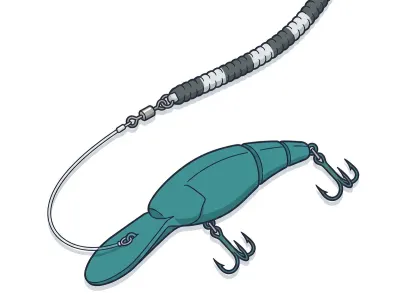
Leadcore Line + Crankbaits
4–5" mid-diving crankbait behind a long leadcore run
Largemouth bass · Hardbaits
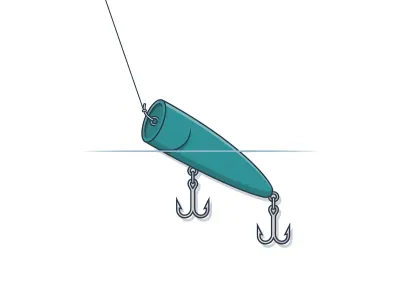
Topwater Popper
2.5–3" concave-face popper
Largemouth bass · Hardbaits
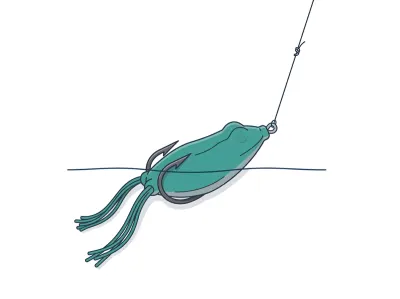
Hollow-Body Frog
3–3.5" hollow-body frog
Smallmouth bass · Soft plastics
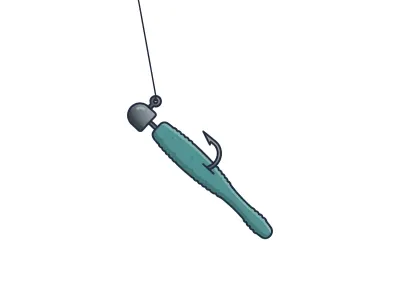
Ned Rig
2.75" finesse stickbait or craw-style Ned bait
Smallmouth bass · Soft plastics
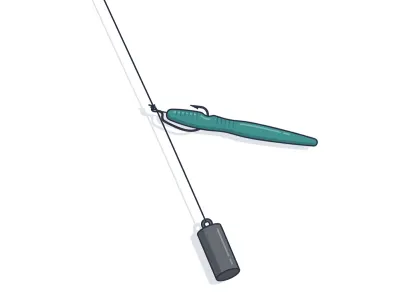
Drop Shot (Finesse Plastic)
4" finesse worm or 3" minnow-profile plastic
Full setups, including hooks, weights and line, are on the live map. As an Amazon Associate I earn from qualifying purchases.
MN DNR · in their words
From the 2001 survey
Big Ole Lake is a 179-acre lake in central Itasca County within the Big Fork River watershed. Big Ole is located approximately 4 miles southeast of Marcell, MN. The lake has a maximum depth of 65 ft and 84 littoral acres. A forest service carry-down access is located on the northeast shoreline. Northern pike gill-net catch was 12.3/net, which was higher than the expected range for similar lakes. Gill-net abundance in past assessments has also generally been high and varied from 8.5 to 10.8/gill net. Size structure was moderate with a with fish up to 34 inches sampled. Growth was slower than statewide averages with fish reaching 24 inches at age eight. Slow growth is likely the result of high abundance and low prey (yellow perch) abundance. Bluegill trap-net catch was 55.7/net, which is within the expected range for similar lakes. Abundance in past assessments varied from 87.0 to 88.5/trap net. Size structure was moderate with good numbers of fish around six inches, but very few fish at eight inches. Growth was similar to lake class averages, and fish up to age 12 were sampled. Black crappie gill-net catch was 2.7/net, which is within the expected range. The trap-net catch was 1.1/net, which was also within the interquartile range of 0.8 to 4.0/net. Size structure was good with fish up to 13 inches sampled. Growth was slower than the statewide averages for ages one to four and similar to statewide averages after age four. Walleye gill-net catch was 0.5/net, which is the same as the first quartile. Abundance in past assessments has also been low and varied from 0.5 to 2.8/gill net. Although only three walleye were sampled in this assessment, they ranged in length from 18 to 27 inches. Yellow perch gill-net catch was 2.2/gill net and was within the interquartile range of 1.0 to 10.3. Size structure was poor with few fish reaching nine inches. Both largemouth and smallmouth bass were sampled in the gill nets; however, gill nets and trap nets do not sample largemouth bass or smallmouth bass effectively. Sample size was too low to make conclusions about size structure. Other species sampled include pumpkinseed sunfish, and warmouth. Lakeshore owners may affect fish populations not only through harvesting fish, but also through land use practices. It is important to leave a 30 to 50 ft buffer strip of native vegetation along the shoreline to prevent erosion and provide habitat for fish and wildlife. Nonfunctioning septic systems can also lead to water quality problems. Good water quality and fish populations are the direct result of good land use practices. Anglers can also help to improve the size structure of the fish community by practicing selective harvest.
Narrative text from the Minnesota DNR lake survey.
Recent reports
Big Ole Lake fishing reports
Recent reports on Big Ole Lake from guides, tournaments and regular anglers. Anything posted in the last two weeks also bumps the matching spots on the live map, so you'll see a "matches a recent report" tag on them.
Public water access
Getting on the water
- Big Ole Lake (trailer launch)
DNR bathymetry
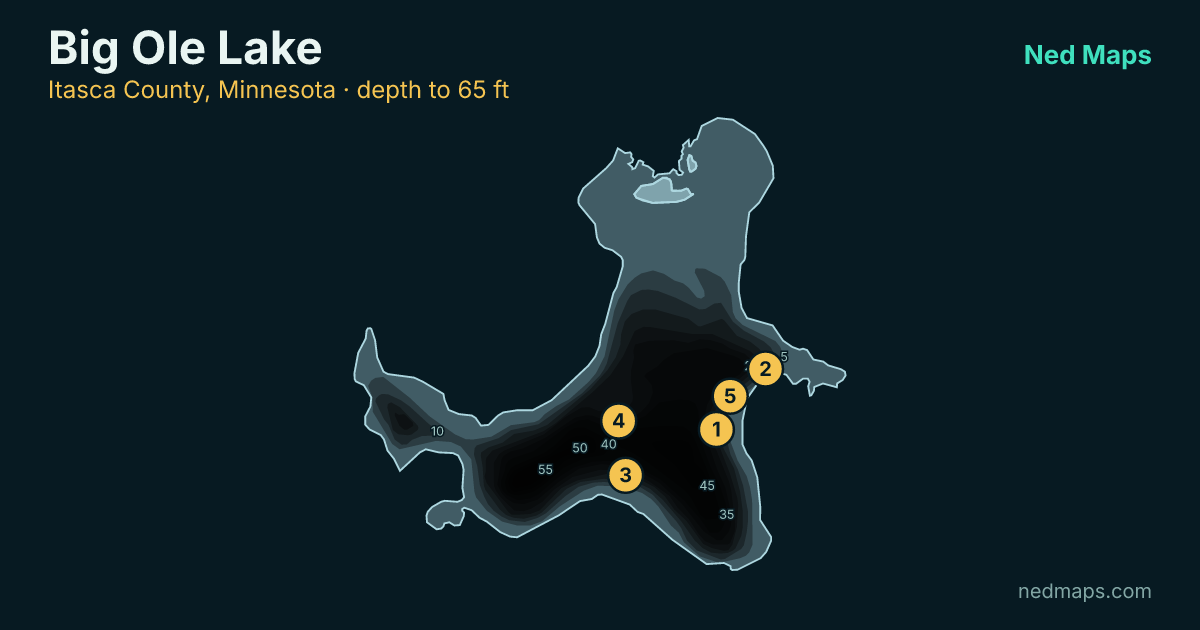
Big Ole Lake depth map
Within 30 miles
Nearby lakes
- Big Island Lake · 244 ac · 1 mi
- Crooked Lake · 135 ac · 1.7 mi
- Three Island Lake · 250 ac · 1.9 mi
- East Smith Lake · 152 ac · 2 mi
- Dock Lake · 30 ac · 2.1 mi
- Little North Star Lake · 55 ac · 2.5 mi
- North Star Lake · 832 ac · 2.5 mi
- Big Dick Lake · 260 ac · 2.8 mi
Quick answers
Frequently asked questions
How deep is Big Ole Lake?
Big Ole Lake reaches 65 ft at its deepest point; about 39% of the lake is littoral (15 ft or shallower).
How big is Big Ole Lake?
Big Ole Lake covers 217 acres with about 4.7 miles of shoreline.
What fish are in Big Ole Lake?
Minnesota DNR surveys (most recently 2001) record walleye, largemouth bass, smallmouth bass, northern pike, bluegill, crappie, yellow perch.
Is Big Ole Lake stocked?
No stocking is on record for Big Ole Lake in the DNR's stocking database.
Does Big Ole Lake have a public access?
Yes. Big Ole Lake has one public access site: Big Ole Lake (trailer launch).
When was Big Ole Lake last surveyed?
The Minnesota DNR last surveyed Big Ole Lake in 2001, the most recent of 3 surveys on record. That is more than 20 years ago, so this page lists species without ratings.
Page updated .

Featured guide spot
Your guide service here
One featured guide per lake, with your photo, your writeup and a link straight to your booking page. Free through December 31, 2026.
Then $20 a month from January. Cancel any time.
The live map adds today's conditions and ranked spots for Big Ole Lake, plus a trip plan you can share:
Open Big Ole Lake on the live map → Fished it lately? Write a report