Minnesota · Cass County
Trillium Lake Fishing guide
Trillium Lake covers 156 acres in Cass County, Minnesota, reaching 48 ft at its deepest point. The Minnesota DNR has surveyed the lake 5 times, most recently in 2002, with walleye, largemouth bass, northern pike and bluegill in the nets. That survey is 24 years old now.
DNR survey data
Fish species
The DNR last surveyed Trillium Lake in 2002. Ratings need a survey from the last 20 years, so this page lists the species from that older record without numbers.
- Walleye
- Largemouth bass
- Northern pike
- Bluegill
- Crappie
- Yellow perch
- Rock bass
How to fish Trillium Lake through the year
Walleye
- Spring
- Walleye are shallow, on and just off the spawning flats and the first green weeds.
- Early summer
- Walleye are setting up on the outside weed edge, points and shallow structure.
- Summer
- Walleye are working the weed edge, points and any wind-blown structure. On a lake that drops to 48 ft, check the deep edge of that structure too.
- Fall
- Walleye are packing onto the sharpest breaks and points as the water cools, in big schools with short windows.
Largemouth bass
- Spring
- Largemouth are moving up into the warming bays and flats, staging around wood, docks and new weeds to spawn.
- Early summer
- Largemouth are on the shallow spawning flats and protected bays, where beds go on firm bottom next to isolated cover.
- Summer
- Largemouth are in and along the weeds: cabbage and milfoil edges, matted cover and shade. On a lake that drops to 48 ft, check the deep edge of that structure too.
- Fall
- Largemouth are chasing bait back onto the flats and into the remaining green weeds, feeding hard and shallow before the freeze.
Season patterns for each species. Open the live map for today's wind, light and water temp.
Size history
Biggest fish by survey year
| Survey year | Walleye | Largemouth bass | Northern pike |
|---|---|---|---|
| 2002 | — | 12" | 33" |
| 1997 | 25" | 11" | 31" |
| 1994 | 26" | 15" | 32" |
Longest fish measured by DNR survey crews in each year's nets. Survey gear samples the population, so the lake usually holds larger fish than any survey measured.
Suggested tackle
What to bring
Top presentations for this lake's structure and clarity:
Walleye · Live bait

Live-Bait (Lindy) Rig + Leech/Crawler
jumbo leech or half a nightcrawler
Walleye · Trolling
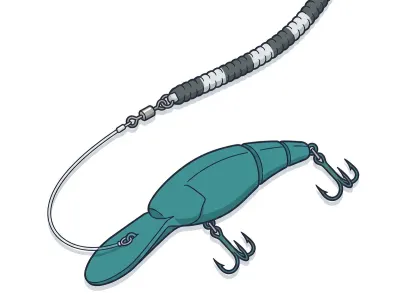
Leadcore Line + Crankbaits
4–5" mid-diving crankbait behind a long leadcore run
Largemouth bass · Hardbaits
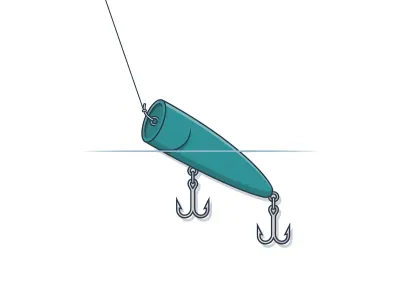
Topwater Popper
2.5–3" concave-face popper
Largemouth bass · Hardbaits
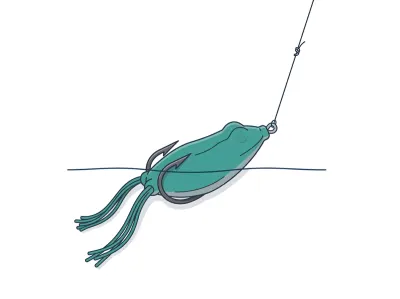
Hollow-Body Frog
3–3.5" hollow-body frog
Northern pike · Soft plastics
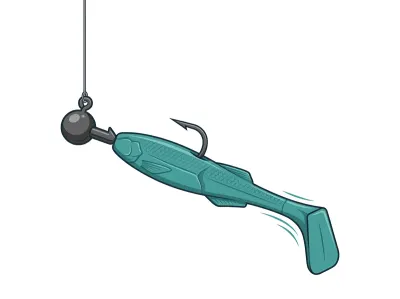
Paddletail Swimbait on Jighead
4–5" paddletail swimbait on a ball-head swimbait jighead
Northern pike · Muskie & pike
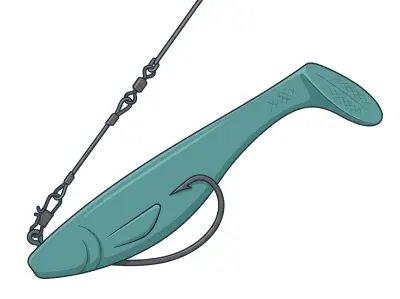
Soft Rubber (Bull Dawg / Medusa)
10" soft rubber body bait
Full setups, including hooks, weights and line, are on the live map. As an Amazon Associate I earn from qualifying purchases.
MN DNR · in their words
From the 2002 survey
Trillium Lake, also known as Lizzard Lake, is a 136-acre lake located near Hackensack, MN with no public access. With a maximum depth of 48 feet, approximately 67% of the lake is less than 15 feet deep. The Minnesota Department of Natural Resources (MNDNR) has classified Minnesota's lakes into 43 different classes based on physical, chemical and other characteristics. Trillium Lake is in Lake Class 32; lakes in this class are generally large, high littoral area, turbid and irregular shaped lakes. This lake is primarily managed for northern pike and largemouth bass and secondarily for bluegill and black crappie Northern pike were abundant and the size structure consisted of larger fish. Northern pike up to 33 inches were sampled and the mean length was 25 inches. A fair number of largemouth bass were present, but they were small. Bluegill were abundant, however most were small. Other fish species available for anglers to catch include black crappie, brown bullhead, pumpkinseed sunfish, yellow bullhead, and yellow perch.Anglers can help maintain or improve the quality of fishing by practicing selective harvest. Selective harvest allows for the harvest of smaller fish for table fare, but encourages release of medium- to large-sized fish. Releasing these fish can help maintain balance in the fish community in Trillium Lake and provide anglers the opportunity to catch more and larger fish in the future. Shoreline areas on the land and into the shallow water provide essential habitat for fish and wildlife that live in or near Minnesota's lakes. Overdeveloped shorelines can't support the fish, wildlife, and clean water that are associated with natural undeveloped lakes. The combined effects of all lakeshore owners "fixing up" their property can destroy a lake's valuable natural shorelines.Shoreline habitat consists of aquatic plants, woody plants and natural lake bottom soils. Plants in the water and at the water's edge provide habitat, prevent erosion and absorb excess nutrients. Shrubs, trees, and woody debris such as fallen trees or limbs provide good habitat both above and below the water and should be left in place. Natural lake bottom materials like silt or gravel are more ecologically productive than pure sand trucked in for a swimming beach. A tidy lawn and a sandy beach make great spots for sunbathing and swimming but do little to provide habitat for fish and wildlife. By leaving a buffer strip of natural vegetation along the shoreline, property owners can reduce erosion, help maintain water quality, and provide habitat and travel corridors for wildlife.Only if more lakeshore owners manage their shoreline in a natural condition can fish and wildlife populations on Minnesota lakes remain healthy and abundant. More specific information on protecting or restoring shorelines and watersheds is available through the local DNR Fisheries office.
Narrative text from the Minnesota DNR lake survey.
Recent reports
Trillium Lake fishing reports
Recent reports on Trillium Lake from guides, tournaments and regular anglers. Anything posted in the last two weeks also bumps the matching spots on the live map, so you'll see a "matches a recent report" tag on them.
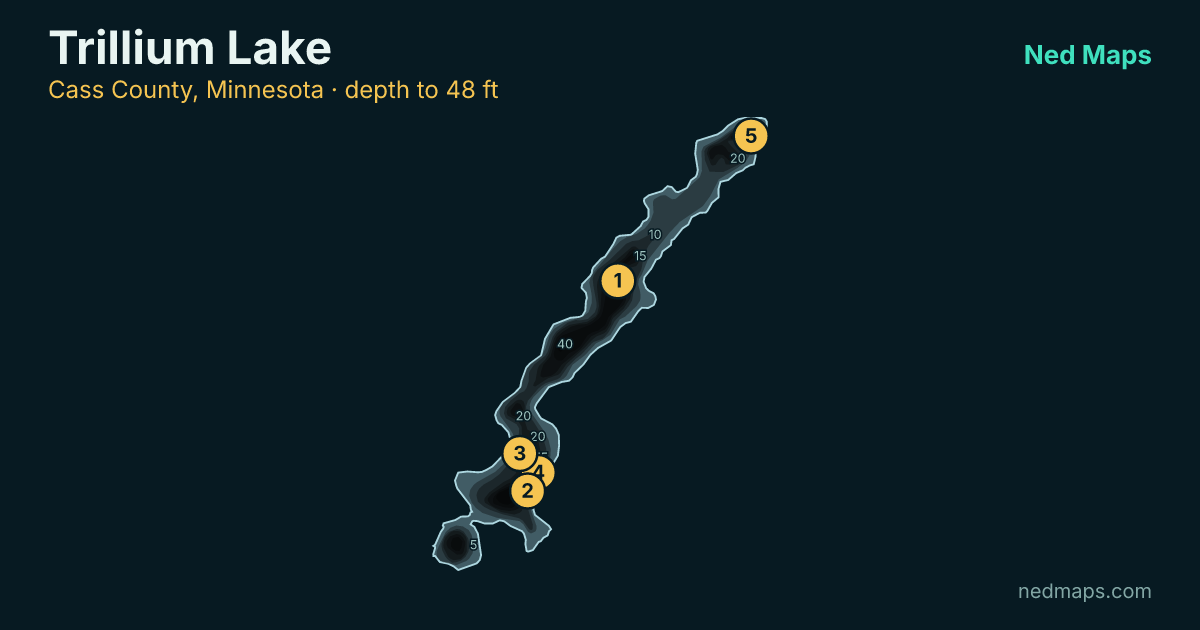
DNR bathymetry
Trillium Lake depth map
Within 30 miles
Nearby lakes
- Big Deep Lake · 536 ac · 1.5 mi
- Kid Lake · 168 ac · 1.5 mi
- Webb Lake · 720 ac · 2.2 mi
- Baby Lake · 737 ac · 2.5 mi
- Child Lake · 285 ac · 2.5 mi
- Widow Lake · 198 ac · 2.8 mi
- Sand Lake · 41 ac · 2.8 mi
- Sand Lake · 149 ac · 3.1 mi
Quick answers
Frequently asked questions
How deep is Trillium Lake?
Trillium Lake reaches 48 ft at its deepest point; about 59% of the lake is littoral (15 ft or shallower).
How big is Trillium Lake?
Trillium Lake covers 156 acres with about 4.6 miles of shoreline.
What fish are in Trillium Lake?
Minnesota DNR surveys (most recently 2002) record walleye, largemouth bass, northern pike, bluegill, crappie, yellow perch, rock bass.
Is Trillium Lake stocked?
No stocking is on record for Trillium Lake in the DNR's stocking database.
When was Trillium Lake last surveyed?
The Minnesota DNR last surveyed Trillium Lake in 2002, the most recent of 5 surveys on record. That is more than 20 years ago, so this page lists species without ratings.
Page updated .

Featured guide spot
Your guide service here
One featured guide per lake, with your photo, your writeup and a link straight to your booking page. Free through December 31, 2026.
Then $20 a month from January. Cancel any time.
The live map adds today's conditions and ranked spots for Trillium Lake, plus a trip plan you can share:
Open Trillium Lake on the live map → Fished it lately? Write a report