Minnesota · Morrison County
Sylvan Lake Fishing guide
Sylvan Lake covers 322 acres in Morrison County, Minnesota, reaching 31 ft at its deepest point. Average water clarity runs about 6 ft. The Minnesota DNR has surveyed the lake 8 times, most recently in 2024, with walleye, largemouth bass, smallmouth bass and northern pike in the nets.
DNR survey data
Fish species
WalleyeLast stocked 2025Present, stocked17.2per hr (electrofishing)18"Typical23"Biggest
Lengths measured · 17 fish
Recent · 2024Lengths measured · 17 fish
2024Lengths measured · 2 fish
2014Only 2 fish measured that year — too few to read as a shape.
Lengths measured · 1 fish
2008Only 1 fish measured that year — too few to read as a shape.
Lengths measured · 4 fish
2002Only 4 fish measured that year — too few to read as a shape.
Largemouth bassPresent0.3per trap net16"Typical19"Biggest
Lengths measured · 23 fish
Recent · 2024Lengths measured · 23 fish
2024Lengths measured · 33 fish
2020Lengths measured · 52 fish
2014Lengths measured · 64 fish
2008Smallmouth bassFair numbers19.4per hr (electrofishing)15"Typical20"Biggest
Lengths measured · 18 fish
Recent · 2024Lengths measured · 18 fish
2024Lengths measured · 7 fish
2020Only 7 fish measured that year — too few to read as a shape.
Lengths measured · 5 fish
2014Only 5 fish measured that year — too few to read as a shape.
Northern pikePresent8.6per hr (electrofishing)18"Typical32"Biggest
Lengths measured · 58 fish
Recent · 2024Lengths measured · 58 fish
2024Lengths measured · 9 fish
2014Only 9 fish measured that year — too few to read as a shape.
Lengths measured · 28 fish
2008Lengths measured · 38 fish
2002BluegillJust a few24.5per trap net6"Typical9"Biggest
Lengths measured · 454 fish
Recent · 2024Lengths measured · 454 fish
2024Lengths measured · 253 fish
2020Lengths measured · 238 fish
2014Lengths measured · 305 fish
2008CrappieJust a few0.6per trap net8"Typical11"Biggest
Lengths measured · 97 fish
Recent · 2024Lengths measured · 97 fish
2024Lengths measured · 8 fish
2014Only 8 fish measured that year — too few to read as a shape.
Lengths measured · 39 fish
2008Lengths measured · 28 fish
2002Yellow perchPresent3.2per hr (electrofishing)7"Typical10"Biggest
Lengths measured · 18 fish
Recent · 2024Lengths measured · 18 fish
2024Lengths measured · 4 fish
2014Only 4 fish measured that year — too few to read as a shape.
Lengths measured · 70 fish
2008Lengths measured · 117 fish
2002Rock bassJust a few0.3per trap net7"Typical10"Biggest
Lengths measured · 30 fish
Recent · 2024Lengths measured · 30 fish
2024Lengths measured · 1 fish
2014Only 1 fish measured that year — too few to read as a shape.
Lengths measured · 16 fish
2008Lengths measured · 23 fish
2002Rates come from standard DNR survey gear (gill nets, trap nets, electrofishing), judged against statewide benchmarks for the same gear, so the same number of fish per net can read differently for two species. Where the standard gear can't count a species reliably, only presence and size are listed. Typical is the middle fish of those measured. Open a row for the full length spread, survey by survey.
How to fish Sylvan Lake through the year
Smallmouth bass
- Spring
- Smallmouth are on shallow rock, gravel and sand where they spawn.
- Early summer
- Smallmouth are post-spawn on rock points, gravel bars and the adjacent breaks.
- Summer
- Smallmouth are on rock humps, points and hard-bottom breaks.
- Fall
- Smallmouth are bunched tight on deep rock, so find one and you have found the school.
Walleye
- Spring
- Walleye are shallow, on and just off the spawning flats and the first green weeds.
- Early summer
- Walleye are setting up on the outside weed edge, points and shallow structure.
- Summer
- Walleye are working the weed edge, points and any wind-blown structure.
- Fall
- Walleye are packing onto the sharpest breaks and points as the water cools, in big schools with short windows.
Season patterns for each species. Open the live map for today's wind, light and water temp.
Size history
Biggest fish by survey year
| Survey year | Smallmouth bass | Walleye | Largemouth bass |
|---|---|---|---|
| 2024 | 20" | 23" | 19" |
| 2020 | 16" | — | 17" |
| 2014 | 6" | 21" | 19" |
| 2008 | — | 19" | 19" |
| 2002 | — | 23" | 16" |
| 1996 | — | 20" | 19" |
Longest fish measured by DNR survey crews in each year's nets. Survey gear samples the population, so the lake usually holds larger fish than any survey measured.
Suggested tackle
What to bring
Top presentations for this lake's structure and clarity:
Smallmouth bass · Soft plastics
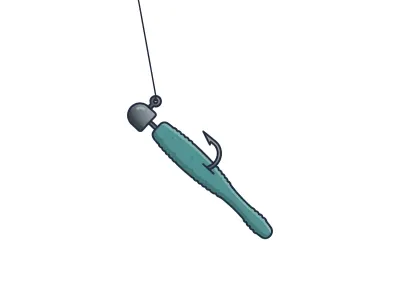
Ned Rig
2.75" finesse stickbait or craw-style Ned bait
Smallmouth bass · Soft plastics
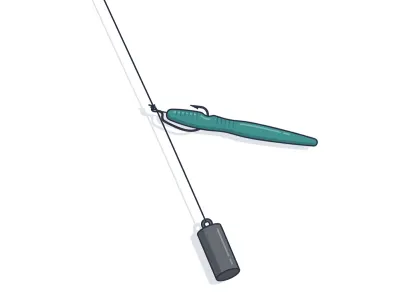
Drop Shot (Finesse Plastic)
4" finesse worm or 3" minnow-profile plastic
Walleye · Live bait
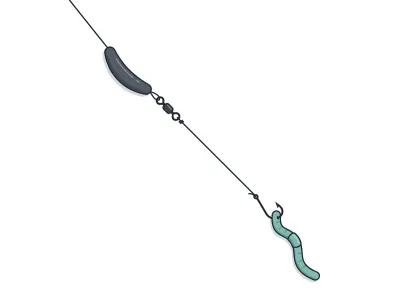
Live-Bait (Lindy) Rig + Leech/Crawler
jumbo leech or half a nightcrawler
Walleye · Trolling
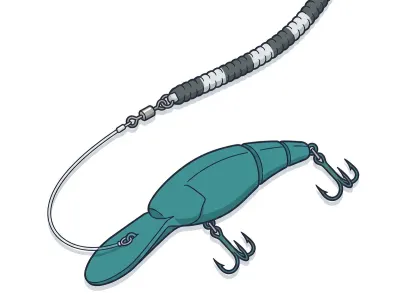
Leadcore Line + Crankbaits
4–5" mid-diving crankbait behind a long leadcore run
Largemouth bass · Hardbaits
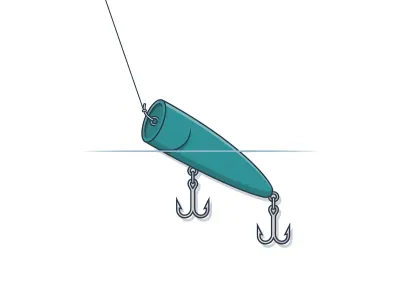
Topwater Popper
2.5–3" concave-face popper
Largemouth bass · Hardbaits
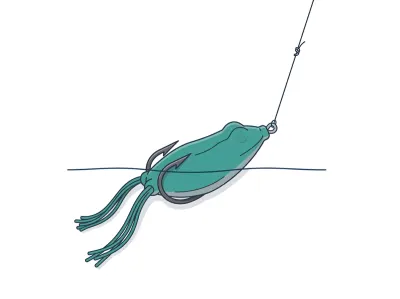
Hollow-Body Frog
3–3.5" hollow-body frog
Full setups, including hooks, weights and line, are on the live map. As an Amazon Associate I earn from qualifying purchases.
DNR stocking records
Stocking history
| Year | Species | Stocked |
|---|---|---|
| 2025 | Walleye | 200,000 fry |
| 2024 | Walleye | 200,000 fry |
| 2023 | Walleye | 200,000 fry |
| 2022 | Walleye | 200,000 fry |
| 2021 | Walleye | 200,000 fry |
| 2019 | Walleye | 200,000 fry |
| 2017 | Walleye | 200,000 fry |
| 2016 | Walleye | 200,000 fry |
MN DNR · in their words
From the 2024 survey
Three fish sampling events were undertaken on Sylvan Lake in 2024 including ice-out trap netting, spring trap netting targeting Bluegill and Black Crappie, and daytime electrofishing. Electrofishing took place in the upstream reaches of the reservoir in flowing water environments. None of these sampling strategies have been utilized in the past. Traditional methods such as summer gill netting and late spring electrofishing have failed to adequately assess some aspects of the fish community in recent years, thus these new efforts were attempted. Primary management species are Northern Pike and Bluegill with Walleye, Black Crappie, and Largemouth Bass as secondary species.
The three new sampling techniques employed in 2024 produced useful sample sizes of several species. A total of 58 Northern Pike were captured in the combined samples with 48 coming from the ice-out trap nets. Of the combined trap net catch of 50 fish, 18% were within the zonal protected slot of 22-26 inches and the largest measured 32.6 inches. There were two pike that topped 30 inches but mean size was small at just 18.1 inches as nearly 2/3 were under 12 inches long. Eight pike were caught electrofishing and they varied from 14.3 to 27.4 inches.
Read the full DNR narrative
The combined trap net sample of Bluegills totaled 454 fish of which 294 were captured in the panfish trap nets and 160 being caught in the ice-out trap nets. Though the ice-out nets sampled fewer fish the size structure showed better quality than the panfish nets. Bluegills over 7 inches constituted 60% of the ice-out catch and 19% surpassed 8 inches. Average length was 7 inches and the largest fish was 9 inches. Average size in the panfish trap nets was 6.4 inches with 32% exceeding 7 inches and 3% over 8 inches. The longest Bluegill in the panfish nets was 8.6 inches. The management objective for Bluegill is having at least 30% of the trap net sample exceed 7 inches long. Otoliths extracted from Bluegills in 2020 revealed relatively slow growth rates for most age groups. Age 5 fish averaged 6 inches long, however most 7-9 year old fish failed to exceed 7.5 inches.
Ice-out trap nets produced a sample of 86 Black Crappie while the targeted panfish trap nets caught just 4 fish. Crappie over 9 inches comprised 49% of the combined catch, average length was 8.8 inches and maximum length was 11.3 inches. The management objective for size structure calls for at least 25% of crappie to exceed 9 inches. Otoliths were collected during both trap net efforts. Crappies displayed growth rates somewhat below area means with Age 5 fish averaging near 9 inches and Age 6 fish averaging just above 10 inches.
Attaining an adequate sample of Walleyes for management purposes continues to be difficult. Just a single 17.8 inch Walleye was found in the combined trap net sample. The electrofishing catch was comprised of 16 fish ranging from 14.2 to 23.6 inches in length. Mean length was 18.8 inches. A majority of the electrofishing effort took place upstream of the reservoir in riverine habitats. Historical gill net catches of Walleye have been minimal. Walleye fry stocking has been regularly practiced in the reservoir6 and will continue.
No Largemouth Bass were observed while electrofishing presumably due to sampling mainly riverine habitats with current. Past daytime electrofishing efforts were conducted in early to mid-June in current free areas. Catch rates from those three surveys ranged from 22 to 60 per hour. Ice-out trap nets caught 20 Largemouth Bass and the panfish nets tallied just 3 fish. Larger bass dominated the trap net catch which revealed a mean length of 16.1 inches with fish over 16 inches comprising 61% of the sample. The largest bass measured 19.9 inches in length.
Electrofishing produced a sample of 18 Smallmouth Bass ranging from 11.9 to 20.24 inches long. Average length of Smallmouths was large at 16.2 inches, 8 fish exceeded 16 inches and 2 were longer than 20 inches. No Smallmouth were found in the trap nets. Smallmouth Bass were likely prevalent in the 2024 electrofishing catch due to most of the sampling effort being conducted in riverine habitats upstream of the reservoir. Electrofishing performed in the reservoir in 2020 captured 7 Smallmouths of which 6 were juveniles under 8 inches long. Smallmouth Bass were originally documented in the reservoir in 2014 when 5 juveniles were observed during spring electrofishing.
Non-target species prevalent in the trap nets included Bowfin (21 fish), Rock Bass (56 fish), and Pumpkinseed (55 fish). Relatively few Pumpkinseeds reached 7 inches long and average length was just 5.8 inches. Yellow Perch were captured in low numbers, but 2 individuals exceeded 10 inches.
Narrative text from the Minnesota DNR lake survey.
Recent reports
Sylvan Lake fishing reports
Recent reports on Sylvan Lake from guides, tournaments and regular anglers. Anything posted in the last two weeks also bumps the matching spots on the live map, so you'll see a "matches a recent report" tag on them.
Public water access
Getting on the water
- Sylvan Lake Reservoir Shore Fishing Site (shore fishing)
DNR bathymetry
Sylvan Lake depth map
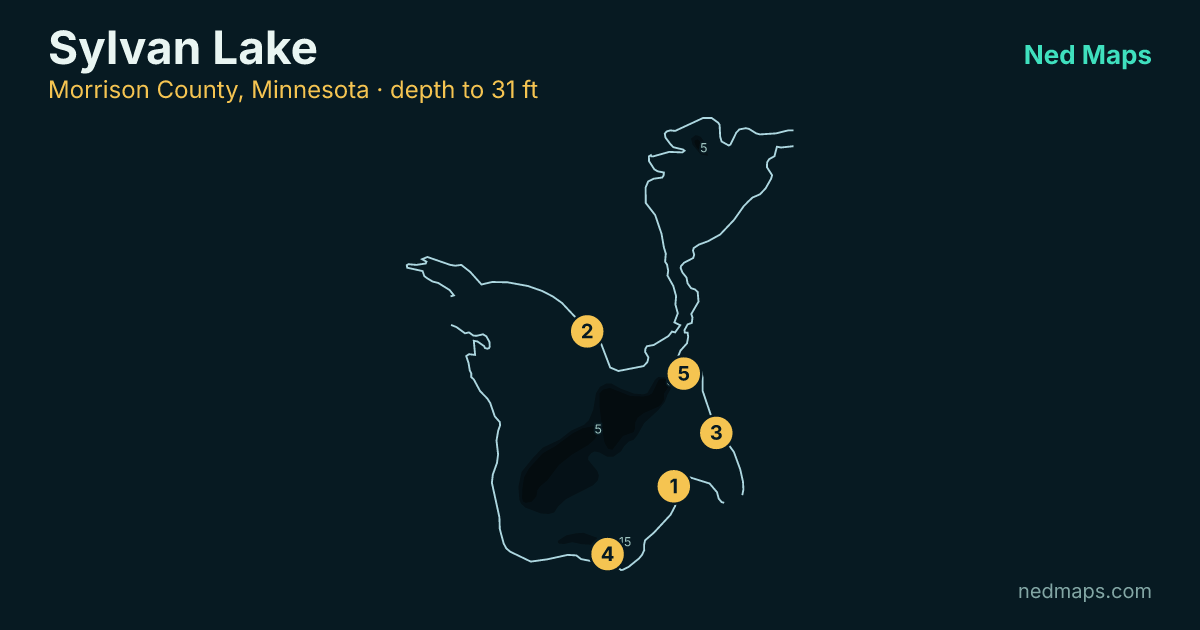
Within 30 miles
Nearby lakes
- Hardy Lake · 105 ac · 2.8 mi
- Sylvan Lake · 894 ac · 3.7 mi
- Dade Lake · 99 ac · 4.6 mi
- Whipple Lake · 301 ac · 5 mi
- White Sand Lake · 415 ac · 5.4 mi
- Crow Wing Lake · 379 ac · 5.7 mi
- Placid Lake · 538 ac · 5.8 mi
- Pillager Lake · 205 ac · 5.9 mi
Quick answers
Frequently asked questions
How deep is Sylvan Lake?
Sylvan Lake reaches 31 ft at its deepest point; about 59% of the lake is littoral (15 ft or shallower).
How big is Sylvan Lake?
Sylvan Lake covers 322 acres with about 5.6 miles of shoreline.
How clear is the water in Sylvan Lake?
DNR Secchi readings on Sylvan Lake average 6 ft of visibility, middling clarity for a Minnesota lake.
What fish are in Sylvan Lake?
Minnesota DNR surveys (most recently 2024) record walleye, largemouth bass, smallmouth bass, northern pike, bluegill, crappie, yellow perch, rock bass.
Is Sylvan Lake stocked?
Yes. The DNR stocked walleye in 2025; the stocking table on this page lists every year back to 2016.
Does Sylvan Lake have a public access?
Yes. Sylvan Lake has one public access site: Sylvan Lake Reservoir Shore Fishing Site (shore fishing).
How big do smallmouth bass get in Sylvan Lake?
The biggest smallmouth bass measured in recent DNR surveys taped 20"; the size-history table on this page tracks the biggest fish in each survey back to 1996.
When was Sylvan Lake last surveyed?
The Minnesota DNR last surveyed Sylvan Lake in 2024, the most recent of 8 surveys on record.
Page updated .

Featured guide spot
Your guide service here
One featured guide per lake, with your photo, your writeup and a link straight to your booking page. Free through December 31, 2026.
Then $20 a month from January. Cancel any time.
The live map adds today's conditions and ranked spots for Sylvan Lake, plus a trip plan you can share:
Open Sylvan Lake on the live map → Fished it lately? Write a report