Minnesota · Meeker County
Spring Lake Fishing guide
Spring Lake sits in Meeker County, Minnesota, and covers 201 acres, reaching 30 ft at its deepest point. Average water clarity runs about 5 ft. The Minnesota DNR has surveyed the lake 11 times, most recently in 2018, with walleye, largemouth bass, northern pike and bluegill in the nets. That survey is 8 years old now.
DNR survey data
Fish species
Largemouth bassLast stocked 2023One of the best around103.1per hr (electrofishing)9"Typical20"Biggest
Lengths measured · 328 fish
Recent · 2013 + 2018Lengths measured · 288 fish
2018Lengths measured · 40 fish
2013Lengths measured · 34 fish
2003Lengths measured · 23 fish
1994Northern pikeOne of the best around19.8per gill net21"Typical33"Biggest
Lengths measured · 273 fish
Recent · 2013 + 2018Lengths measured · 75 fish
2018Lengths measured · 198 fish
2013Lengths measured · 111 fish
2003Lengths measured · 32 fish
1994BluegillLast stocked 2023Fair numbers34.9per trap net5"Typical8"Biggest
Lengths measured · 699 fish
Recent · 2013 + 2018Lengths measured · 371 fish
2018Lengths measured · 328 fish
2013Lengths measured · 515 fish
2003Lengths measured · 373 fish
1994CrappieJust a few3.1per trap net5"Typical11"Biggest
Lengths measured · 84 fish
Recent · 2013 + 2018Lengths measured · 48 fish
2018Lengths measured · 36 fish
2013Lengths measured · 12 fish
2003Lengths measured · 218 fish
1994Yellow perchFair numbers3.3per gill net5"Typical6"Biggest
Lengths measured · 73 fish
Recent · 2013 + 2018Lengths measured · 39 fish
2018Lengths measured · 34 fish
2013Lengths measured · 89 fish
2003Lengths measured · 180 fish
1994Rates come from standard DNR survey gear (gill nets, trap nets, electrofishing), judged against statewide benchmarks for the same gear, so the same number of fish per net can read differently for two species. Where the standard gear can't count a species reliably, only presence and size are listed. Typical is the middle fish of those measured. Open a row for the full length spread, survey by survey.
How to fish Spring Lake through the year
Largemouth bass
- Spring
- Largemouth are moving up into the warming bays and flats, staging around wood, docks and new weeds to spawn.
- Early summer
- Largemouth are on the shallow spawning flats and protected bays, where beds go on firm bottom next to isolated cover.
- Summer
- Largemouth are in and along the weeds: cabbage and milfoil edges, matted cover and shade. With 82% of this lake 15 ft or shallower, the weed edge is the main event.
- Fall
- Largemouth are chasing bait back onto the flats and into the remaining green weeds, feeding hard and shallow before the freeze.
Northern pike
- Spring
- Pike are in the shallow bays and along new weed growth.
- Early summer
- Pike are on the outside weed edge and points.
- Summer
- Pike are on the deep weed edge and points near the coolest water they can find. With 82% of this lake 15 ft or shallower, the weed edge is the main event.
- Fall
- Pike are on the last green weeds and the breaks beside them, feeding heavily as the water drops.
Season patterns for each species. Open the live map for today's wind, light and water temp.
Size history
Biggest fish by survey year
| Survey year | Largemouth bass | Northern pike | Walleye |
|---|---|---|---|
| 2018 | 20" | 33" | — |
| 2013 | 19" | 31" | 23" |
| 2003 | 17" | 31" | — |
| 1994 | 12" | 32" | 15" |
Longest fish measured by DNR survey crews in each year's nets. Survey gear samples the population, so the lake usually holds larger fish than any survey measured.
Suggested tackle
What to bring
Top presentations for this lake's structure and clarity:
Largemouth bass · Soft plastics

Texas-Rigged Worm
7" ribbon-tail or straight-tail plastic worm
Largemouth bass · Soft plastics
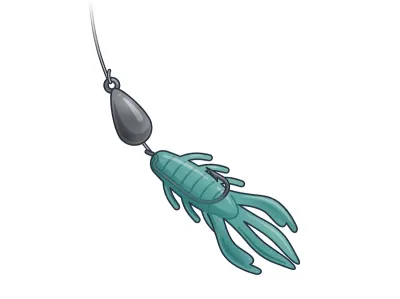
Free Rig
Creature bait or magnum finesse worm
Northern pike · Soft plastics
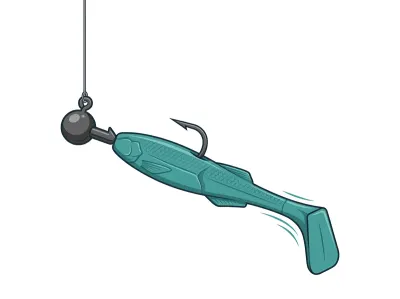
Paddletail Swimbait on Jighead
4–5" paddletail swimbait on a ball-head swimbait jighead
Northern pike · Muskie & pike
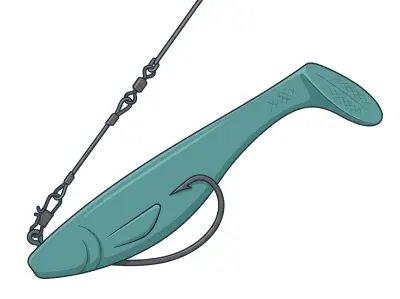
Soft Rubber (Bull Dawg / Medusa)
10" soft rubber body bait
Walleye · Live bait
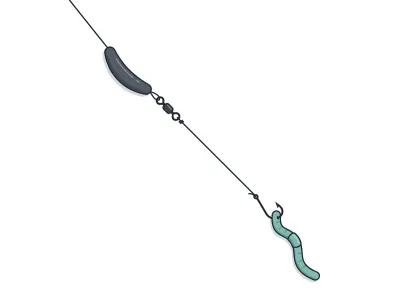
Live-Bait (Lindy) Rig + Leech/Crawler
jumbo leech or half a nightcrawler
Walleye · Trolling
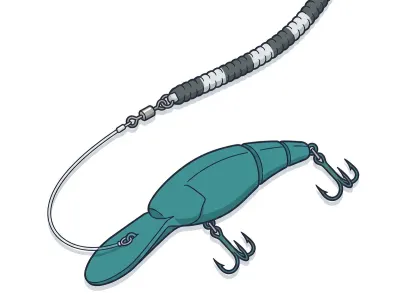
Leadcore Line + Crankbaits
4–5" mid-diving crankbait behind a long leadcore run
Full setups, including hooks, weights and line, are on the live map. As an Amazon Associate I earn from qualifying purchases.
DNR stocking records
Stocking history
| Year | Species | Stocked |
|---|---|---|
| 2023 | Bluegill Sunfish | 40 adults |
| 2023 | Largemouth Bass | 29 adults |
MN DNR · in their words
From the 2018 survey
A standard survey was conducted at Spring Lake on June 18, 2018, to monitor the fish population. Spring is a class 34 lake and net catches were compared to similar lakes around the state. The 2014 lake management plan (LMP) listed Bluegill, Largemouth Bass, and Northern Pike as the primary management species while Black Crappie were considered a secondary management species. A total of 11 species, plus Hybrid Sunfish, were sampled in the gill nets (GN), trap nets (TN), or by spring night-time electrofishing targeting Largemouth Bass. On June 19, the dissolved oxygen concentration fell below 2.0 mg/l at 14.0 feet, indicating that some of the lake (maximum depth of 30 feet) lacked sufficient oxygen for fish use at this time of the year. Water clarity was fair, with a secchi disk reading of 5.9 feet. Curlyleaf Pondweed was common around the shoreline during netting week. Curlyleaf Pondweed is a non-native aquatic plant that can reach nuisance levels in May and June but typically dies back in early July. Spring Lake has a history of occasional winterkill with the latest significant event occurring in 2001. Fish populations (especially Bluegill and Largemouth Bass) can fluctuate widely depending on frequency and severity of winterkill. DNR Parks and Trails installed a fishing pier at the north end of the lake in 2018.
Gill nets sampled high numbers of Northern Pike (63) for a catch rate of 10.5/net, which was above the lake's normal range. The 2014 LMP's Northern Pike long range goal (>5.1/net) was met. The 2013 catch rate was 29.0/net. Catch rates from 1974 to 2018 (n=10) were variable, ranging from 0.2 to 29.0/net with an average of 10.4. Historically, recruitment could be classified as moderate (>5.0/GN) to high (>10.0/GN) at Spring Lake. Northern Pike were last stocked in 1991, indicating ample natural reproduction most years. In 2018, Northern Pike were 18.9 to 29.6 inches long with an average of 23.9. Trap nets sampled fish up to 33.1 inches in length. Data indicated a quality size structure. Size distributions indicated that multiple age classes were present. New Northern Pike zone regulations went into effect in the spring of 2018. Long is in the north central regulation zone, which has a 10 fish bag limit, where all fish from 22 to 26 inches in length have to be immediately released and only two harvested fish can be over 26 inches long. Darkhouse spearers are allowed to have one fish in the protected slot limit. Spring Lake was occasionally clear enough for darkhouse spearing, but many years was too turbid. Pike anglers should expect plenty of action at Spring Lake.
Read the full DNR narrative
Trap nets sampled low to moderate numbers of Black Crappie (34) for a catch rate of 3.8/net, which was within the lake's normal range. The 2013 TN catch rate was similar at 2.4/net. Catch rates from 1974 to 2018 (n=10) were highly variable, ranging from 1.0 to 74.8/net with an average of 22.8. In 2018, TN Black Crappie were 3.7 to 9.1 inches long with an average of 5.7. Only 1 TN fish was 9 inches or longer, indicating a poor size structure. Gill nets sampled low numbers of Black Crappie (14) for a catch rate of 2.3/net, which was just below the lake's normal range and was tied for the second lowest catch rate on record. The 2013 GN catch rate was also 2.3/net. Gill net catch rates from 1974 to 2018 (n=10) were variable, ranging from 0.5 to 115.0/net with an average of 17.7. Gill netted Black Crappie were 4.4 to 9.6 inches long with an average of 6.5. Size distributions indicated inconsistent recruitment, but at least two year classes were present.
Gill nets and TN's failed to sample any Walleye in 2018. The 2013 GN catch rate was also 0.0/net. Catch rates from 1974 to 2018 (n=10), were all low, ranging from 0.0 to 0.2/net with an average of 0.0. Walleye were last stocked in 1965. The spring night-time electrofishing crew observed 1 Walleye during Largemouth Bass sampling. Anglers seeking Walleye should try nearby Collinwood or Big Swan Lakes.
Trap nets sampled moderate numbers of Bluegill (328) for a catch rate of 36.4/net which was within the lake's normal range. The 2014 LMP's Bluegill long range goal (>5.9/TN and 31.0/hour) was met. The 2013 catch rate was 31.0/hour. In 2018, electrofished Largemouth Bass were 6.7 to 20.5 inches long with an average of 11.1. An impressive 30 fish total were 18 inches or longer, indicating a high quality size structure. The electrofishing size distribution indicated that multiple age classes were present. Bass anglers can expect to find this species roaming in Spring's plentiful submerged vegetation beds.
Gill nets sampled low numbers of Yellow Perch (34) for a catch rate of 5.7/net, which was within the lake's normal range. The 2013 catch rate was 1.0/net. Catch rates from 1974 to 2018 (n=10) were variable, ranging from 0.5 to 17.8/net with an average of 6.5. In 2018, Yellow Perch were 4.9 to 6.6 inches long with an average of 6.2. Data indicated inconsistent recruitment. High numbers of Northern Pike since 2003 (average catch rate of 18.7/GN) have likely limited the Yellow Perch population.
Trap nets sampled low numbers of Common Carp (3) for a catch rate of 0.3/net which was within the lake's normal range and was the second lowest catch rate on record. Historic TN catch rates (n=10) from 1974 to 2018 were highly variable, ranging from 0.0 to 37.0/net with an average of 7.2. In 2018, the TN Common Carp were 20.0 to 23.5 inches in length. Gill nets also sampled low numbers of Common Carp (1) for a catch rate of 0.2/net, which was below the lake's normal range and the lowest catch rate on record. Historic GN catch rates (n=10) were highly variable, ranging from 0.2 to 78.5/net with an average of 18.8. Bluegill (a known predator on Common Carp eggs) catch rates have been relatively stable from 1994 to 2018 (averaging 38.2/TN) and numbers have likely been high enough to control Common Carp reproduction within Spring Lake.
Gill nets sampled moderate to high numbers of Black Bullhead (448) for a catch rate of 74.7/net, which was above the lake's normal range. The 2013 catch rate was much lower at 4.3/net. Historic GN catch rates from 1974 to 2018 (n=10) were highly variable, ranging from 4.3 to 117.0/net with an average of 53.2. Gill netted fish were 6.6 to 13.9 inches long with an average of 9.3. Trap nets sampled low numbers (10) of Black Bullhead for a catch rate of 1.1/net, which was within the lake's normal range and the second lowest catch rate on record. The 2013 TN catch rate was 0.7/net. Historic TN catch rates from 1974 to 2018 (n=10) were variable, ranging from 0.7 to 96.0/net with an average of 31.7. The size distributions indicated inconsistent recruitment.
Gill nets sampled moderate numbers of Yellow Bullhead (140) for a catch rate of 23.3/net which was above the lake's normal range and the highest ever measured at Spring Lake. The 2013 GN catch rate was 0.0/net. Historic GN catch rates from 1974 to 2018 (n=10) were mostly low, ranging from 0.0 to 23.3/net with an average of 3.1. In 2018, gill netted Yellow Bullhead were 5.5 to 14.3 inches long with an average of 9.3. Approximately 51% of the GN sample was 9 inches or longer indicating a quality population that may appeal to bullhead anglers. The GN size distribution indicated that multiple year classes were present.
Additional species sampled in the standard gear included; Brown Bullhead, Green Sunfish, and Pumpkinseed Sunfish.
Narrative text from the Minnesota DNR lake survey.
Recent reports
Spring Lake fishing reports
Recent reports on Spring Lake from guides, tournaments and regular anglers. Anything posted in the last two weeks also bumps the matching spots on the live map, so you'll see a "matches a recent report" tag on them.
Public water access
Getting on the water
- Spring Lake (trailer launch)
DNR bathymetry
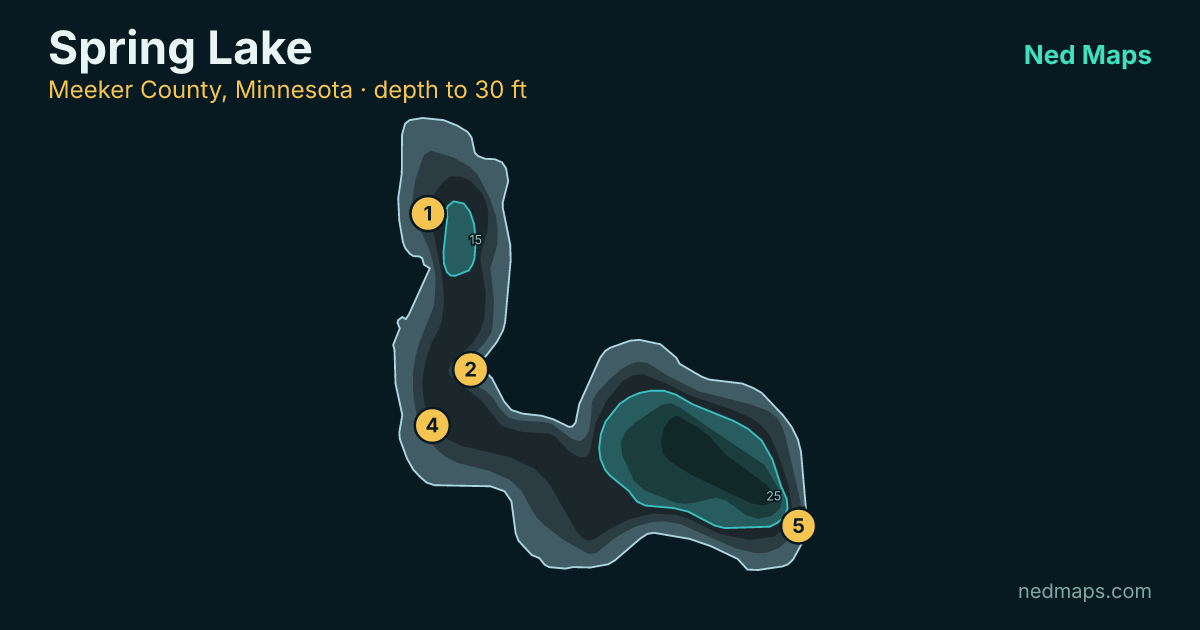
Spring Lake depth map
Within 30 miles
Nearby lakes
- Long Lake · 164 ac · 1.3 mi
- Little Swan Lake · 52 ac · 3.1 mi
- Collinwood Lake · 639 ac · 3.4 mi
- Washington Lake · 2,438 ac · 3.7 mi
- Big Swan Lake · 684 ac · 3.8 mi
- Arvilla Lake · 138 ac · 4.4 mi
- Brooks Lake · 100 ac · 4.6 mi
- Wolf Lake · 262 ac · 5.4 mi
Quick answers
Frequently asked questions
How deep is Spring Lake?
Spring Lake reaches 30 ft at its deepest point with a mean depth of 10.4 ft; about 82% of the lake is littoral (15 ft or shallower).
How big is Spring Lake?
Spring Lake covers 201 acres with about 3.4 miles of shoreline.
How clear is the water in Spring Lake?
DNR Secchi readings on Spring Lake average 5 ft of visibility, middling clarity for a Minnesota lake.
What fish are in Spring Lake?
Minnesota DNR surveys (most recently 2018) record walleye, largemouth bass, northern pike, bluegill, crappie, yellow perch.
Is Spring Lake stocked?
Yes. The DNR stocked bluegill sunfish and largemouth bass in 2023.
Does Spring Lake have a public access?
Yes. Spring Lake has one public access site: Spring Lake (trailer launch).
How big do largemouth bass get in Spring Lake?
The biggest largemouth bass measured in recent DNR surveys taped 20"; the size-history table on this page tracks the biggest fish in each survey back to 1994.
When was Spring Lake last surveyed?
The Minnesota DNR last surveyed Spring Lake in 2018, the most recent of 11 surveys on record. A survey that old is a starting point, not a current reading.
Page updated .

Featured guide spot
Your guide service here
One featured guide per lake, with your photo, your writeup and a link straight to your booking page. Free through December 31, 2026.
Then $20 a month from January. Cancel any time.
The live map adds today's conditions and ranked spots for Spring Lake, plus a trip plan you can share:
Open Spring Lake on the live map → Fished it lately? Write a report