Minnesota · Itasca County
Split Hand Lake Fishing guide
Split Hand Lake sits in Itasca County, Minnesota, and covers 1,374 acres, reaching 34 ft at its deepest point. Secchi readings average around 3.6 ft of visibility. The Minnesota DNR has surveyed the lake 23 times, most recently in 2025, with walleye, largemouth bass, northern pike and bluegill in the nets.
DNR survey data
Fish species
WalleyeLast stocked 2024Excellent numbers6per gill net18"Typical25"Biggest
Lengths measured · 74 fish
Recent · 2025Lengths measured · 74 fish
2025Lengths measured · 63 fish
2018Lengths measured · 27 fish
2012Lengths measured · 58 fish
2012Northern pikeJust a few2.4per gill net25"Typical32"Biggest
Lengths measured · 32 fish
Recent · 2025Lengths measured · 32 fish
2025Lengths measured · 25 fish
2018Lengths measured · 34 fish
2012Lengths measured · 1 fish
2012Only 1 fish measured that year — too few to read as a shape.
BluegillJust a few10per trap net5"Typical10"Biggest
Lengths measured · 1988 fish
Recent · 2022 + 2023 + 2025Lengths measured · 124 fish
2025Lengths measured · 1240 fish
2023Lengths measured · 624 fish
2022Lengths measured · 274 fish
2018CrappieJust a few7.3per trap net6"Typical13"Biggest
Lengths measured · 944 fish
Recent · 2022 + 2023 + 2025Lengths measured · 431 fish
2025Lengths measured · 426 fish
2023Lengths measured · 87 fish
2022Lengths measured · 32 fish
2018Yellow perchFair numbers4.2per gill net5"Typical11"Biggest
Lengths measured · 50 fish
Recent · 2025Lengths measured · 50 fish
2025Lengths measured · 226 fish
2018Lengths measured · 1653 fish
2012Lengths measured · 370 fish
2010Rates come from standard DNR survey gear (gill nets, trap nets, electrofishing), judged against statewide benchmarks for the same gear, so the same number of fish per net can read differently for two species. Where the standard gear can't count a species reliably, only presence and size are listed. Typical is the middle fish of those measured. Open a row for the full length spread, survey by survey.
How to fish Split Hand Lake through the year
Walleye
- Spring
- Walleye are shallow, on and just off the spawning flats and the first green weeds. In 3.6 ft of visibility, they sit shallower than you think.
- Early summer
- Walleye are setting up on the outside weed edge, points and shallow structure.
- Summer
- Walleye are working the weed edge, points and any wind-blown structure.
- Fall
- Walleye are packing onto the sharpest breaks and points as the water cools, in big schools with short windows.
Largemouth bass
- Spring
- Largemouth are moving up into the warming bays and flats, staging around wood, docks and new weeds to spawn. In 3.6 ft of visibility, they sit shallower than you think.
- Early summer
- Largemouth are on the shallow spawning flats and protected bays, where beds go on firm bottom next to isolated cover.
- Summer
- Largemouth are in and along the weeds: cabbage and milfoil edges, matted cover and shade.
- Fall
- Largemouth are chasing bait back onto the flats and into the remaining green weeds, feeding hard and shallow before the freeze.
Season patterns for each species. Open the live map for today's wind, light and water temp.
Size history
Biggest fish by survey year
| Survey year | Walleye | Largemouth bass | Northern pike |
|---|---|---|---|
| 2025 | 25" | 15" | 32" |
| 2018 | 25" | 19" | 30" |
| 2012 | 24" | — | 33" |
| 2010 | 24" | 15" | 27" |
| 2008 | 26" | 18" | 32" |
| 2004 | 23" | 6" | 26" |
| 1998 | 26" | 17" | 29" |
| 1993 | 25" | 1" | 30" |
Longest fish measured by DNR survey crews in each year's nets. Survey gear samples the population, so the lake usually holds larger fish than any survey measured.
Suggested tackle
What to bring
Top presentations for this lake's structure and clarity:
Walleye · Live bait

Live-Bait (Lindy) Rig + Leech/Crawler
jumbo leech or half a nightcrawler
Walleye · Trolling
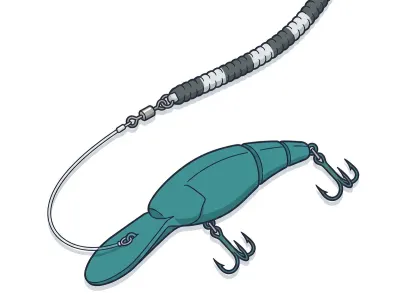
Leadcore Line + Crankbaits
4–5" mid-diving crankbait behind a long leadcore run
Largemouth bass · Hardbaits
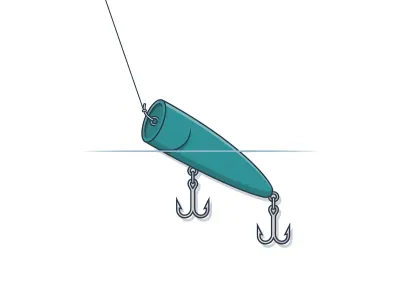
Topwater Popper
2.5–3" concave-face popper
Largemouth bass · Hardbaits
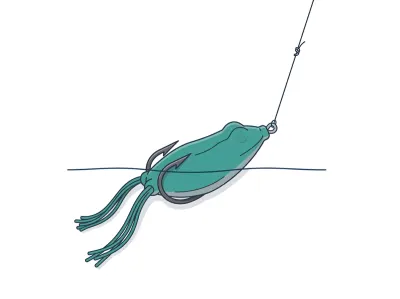
Hollow-Body Frog
3–3.5" hollow-body frog
Northern pike · Soft plastics
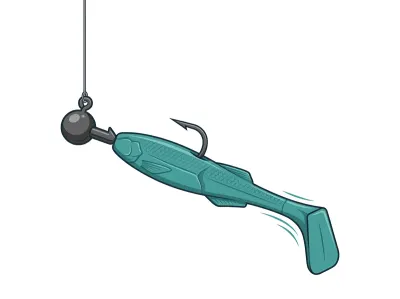
Paddletail Swimbait on Jighead
4–5" paddletail swimbait on a ball-head swimbait jighead
Northern pike · Muskie & pike
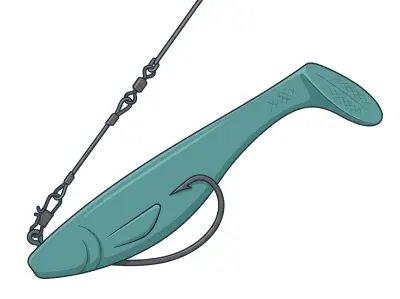
Soft Rubber (Bull Dawg / Medusa)
10" soft rubber body bait
Full setups, including hooks, weights and line, are on the live map. As an Amazon Associate I earn from qualifying purchases.
DNR stocking records
Stocking history
| Year | Species | Stocked |
|---|---|---|
| 2024 | Walleye | 511,000 fry |
| 2021 | Walleye | 511,000 fry |
| 2018 | Walleye | 511,000 fry |
MN DNR · in their words
From the 2025 survey
Split Hand Lake is a large, productive lake that supports a diverse fish community and popular fishing opportunities. The lake's water chemistry and fertility are well-suited for fish growth, although water clarity is typically limited, with visibility usually around three to four feet. Overall, the lake continues to function as a healthy warm-water system with some cool and cold-water species present.
Walleye remains the primary management focus on Split Hand Lake, and the population is in good condition. The 2025 fisheries survey found walleye numbers to be at or above management targets and similar to what has been observed historically. Fish ranged from small juveniles to adults up to 25 inches, with many fish in the 17-20 inch range.
Read the full DNR narrative
The protected slot limit (20-24 inches) continues to provide good protection for mid-sized spawning fish while still allowing harvest opportunities. Larger walleye are present at levels consistent with past surveys.
Walleye reproduction is occurring naturally and consistently, with most of the population coming from natural spawning rather than stocking. Fry stocking continues to supplement the population, but survey results show no clear advantage of stocked fish over naturally produced fish. Growth and maturity rates have remained stable for nearly two decades, indicating a balanced and sustainable walleye population.
Northern Pike abundance remains low to moderate, which is typical for this lake type and meets management objectives. Most pike sampled were in the low- to mid-20 inch range, with relatively few larger fish present. The limited number of older, larger pike suggests that harvest is modest. Anglers and spearers are encouraged to harvest smaller pike (under 22 inches) to help improve size structure over time.
Black Crappie were abundant in Split Hand Lake, with catch rates higher than expected for similar lakes. Many fish were of harvestable size, and growth rates were good. However, the population was dominated by younger fish, with few older individuals present. This pattern is consistent with heavy fishing pressure, particularly during the winter season. Recruitment appears frequent but variable, meaning strong year-classes occur periodically rather than every year.
Bluegill numbers were higher than expected during the 2025 survey, and the population included a good mix of sizes. Many bluegills were in the 7-8-inch range, providing quality angling opportunities. Size structure suggests successful recruitment in recent years.
Tullibee, a cold-water species that can be sensitive to warm summer conditions, continue to persist in Split Hand Lake at expected levels. While their numbers were much higher several decades ago, the population has stabilized in recent years. Most tullibee sampled were moderate to large, though recruitment appears inconsistent from year to year.
Yellow Perch catches were very low in the 2025 survey and continues a declining trend observed since 2012. Most perch sampled were small and unlikely to be targeted by anglers. Although not a primary sport fish, perch are an important food source for walleye and other predators, and their decline is a concern for the overall balance of the fish community.
Additional species observed include largemouth bass, pumpkinseed, bullheads, bowfin, white sucker, and several forage fish species. This diversity reflects a complex and productive lake ecosystem.
Overall, Split Hand Lake continues to support a strong Walleye fishery and robust panfish populations, particularly Black Crappie and Bluegill. Natural reproduction plays a major role in sustaining the fish community, and current regulations appear to be effective. The primary concern moving forward is the continued decline in Yellow Perch, which may have long-term implications for predator-prey balance in the lake.
Narrative text from the Minnesota DNR lake survey.
Recent reports
Split Hand Lake fishing reports
Recent reports on Split Hand Lake from guides, tournaments and regular anglers. Anything posted in the last two weeks also bumps the matching spots on the live map, so you'll see a "matches a recent report" tag on them.
Public water access
Getting on the water
- Split Hand Lake (trailer launch)
DNR bathymetry
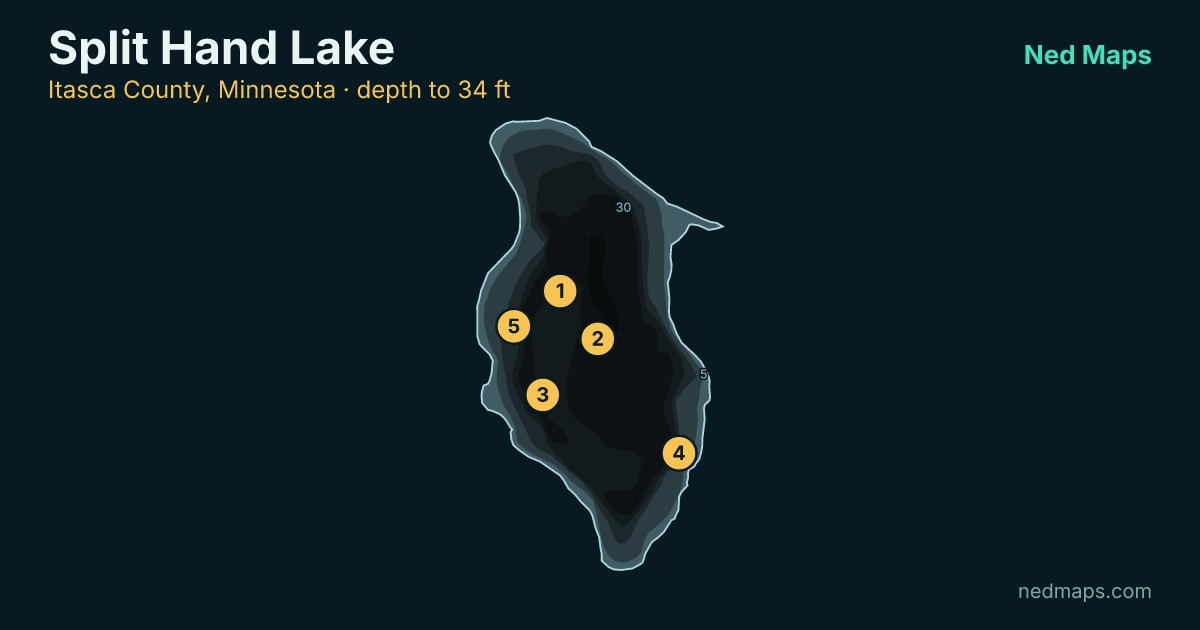
Split Hand Lake depth map
Within 30 miles
Nearby lakes
- Little Split Hand Lake · 244 ac · 1.8 mi
- Taylor Lake · 55 ac · 4.8 mi
- Dinner Pail Lake · 47 ac · 5.5 mi
- Smith Lake · 43 ac · 5.7 mi
- Hill Lake · 794 ac · 6.5 mi
- Pokegama Lake · 6,721 ac · 9.5 mi
- Shallow Lake · 539 ac · 9.8 mi
- South Sugar Lake · 83 ac · 11 mi
Quick answers
Frequently asked questions
How deep is Split Hand Lake?
Split Hand Lake reaches 34 ft at its deepest point; about 37% of the lake is littoral (15 ft or shallower).
How big is Split Hand Lake?
Split Hand Lake covers 1,374 acres with about 7.3 miles of shoreline.
How clear is the water in Split Hand Lake?
DNR Secchi readings on Split Hand Lake average 3.6 ft of visibility, on the stained end for a Minnesota lake.
What fish are in Split Hand Lake?
Minnesota DNR surveys (most recently 2025) record walleye, largemouth bass, northern pike, bluegill, crappie, yellow perch, rock bass.
Is Split Hand Lake stocked?
Yes. The DNR stocked walleye in 2024; the stocking table on this page lists every year back to 2018.
Does Split Hand Lake have a public access?
Yes. Split Hand Lake has one public access site: Split Hand Lake (trailer launch).
How big do walleye get in Split Hand Lake?
The biggest walleye measured in recent DNR surveys taped 25"; the size-history table on this page tracks the biggest fish in each survey back to 1993.
When was Split Hand Lake last surveyed?
The Minnesota DNR last surveyed Split Hand Lake in 2025, the most recent of 23 surveys on record.
Page updated .

Featured guide spot
Your guide service here
One featured guide per lake, with your photo, your writeup and a link straight to your booking page. Free through December 31, 2026.
Then $20 a month from January. Cancel any time.
The live map adds today's conditions and ranked spots for Split Hand Lake, plus a trip plan you can share:
Open Split Hand Lake on the live map → Fished it lately? Write a report