Minnesota · Douglas County
Lake Mary Fishing guide
Lake Mary covers 2,450 acres in Douglas County, Minnesota, reaching 40 ft at its deepest point. Average water clarity runs about 5.9 ft. The Minnesota DNR has surveyed the lake 15 times, most recently in 2025, with walleye, largemouth bass, northern pike and bluegill in the nets.
DNR survey data
Fish species
WalleyeLast stocked 2024One of the best around13.1per gill net15"Typical29"Biggest
Lengths measured · 328 fish
Recent · 2021 + 2025Lengths measured · 162 fish
2025Lengths measured · 166 fish
2021Lengths measured · 172 fish
2017Lengths measured · 151 fish
2013Largemouth bassFair numbers43.5per hr (electrofishing)14"Typical20"Biggest
Lengths measured · 164 fish
Recent · 2021 + 2025Lengths measured · 76 fish
2025Lengths measured · 88 fish
2021Lengths measured · 112 fish
2017Lengths measured · 34 fish
2013Northern pikeFair numbers6.5per gill net19"Typical32"Biggest
Lengths measured · 177 fish
Recent · 2021 + 2025Lengths measured · 68 fish
2025Lengths measured · 109 fish
2021Lengths measured · 81 fish
2017Lengths measured · 97 fish
2013BluegillJust a few23.3per trap net6"Typical8"Biggest
Lengths measured · 961 fish
Recent · 2021 + 2025Lengths measured · 384 fish
2025Lengths measured · 577 fish
2021Lengths measured · 336 fish
2017Lengths measured · 199 fish
2013CrappieJust a few0.4per trap net11"Typical13"Biggest
Lengths measured · 116 fish
Recent · 2021 + 2025Lengths measured · 43 fish
2025Lengths measured · 73 fish
2021Lengths measured · 93 fish
2017Lengths measured · 546 fish
2013Yellow perchFair numbers1.7per gill net6"Typical9"Biggest
Lengths measured · 44 fish
Recent · 2021 + 2025Lengths measured · 7 fish
2025Only 7 fish measured that year — too few to read as a shape.
Lengths measured · 37 fish
2021Lengths measured · 75 fish
2017Lengths measured · 31 fish
2013Rock bassGood numbers1.9per gill net8"Typical10"Biggest
Lengths measured · 60 fish
Recent · 2021 + 2025Lengths measured · 28 fish
2025Lengths measured · 32 fish
2021Lengths measured · 15 fish
2017Lengths measured · 3 fish
2009Only 3 fish measured that year — too few to read as a shape.
Rates come from standard DNR survey gear (gill nets, trap nets, electrofishing), judged against statewide benchmarks for the same gear, so the same number of fish per net can read differently for two species. Where the standard gear can't count a species reliably, only presence and size are listed. Typical is the middle fish of those measured. Open a row for the full length spread, survey by survey.
How to fish Lake Mary through the year
Walleye
- Spring
- Walleye are shallow, on and just off the spawning flats and the first green weeds.
- Early summer
- Walleye are setting up on the outside weed edge, points and shallow structure.
- Summer
- Walleye are working the weed edge, points and any wind-blown structure. On a lake that drops to 40 ft, check the deep edge of that structure too.
- Fall
- Walleye are packing onto the sharpest breaks and points as the water cools, in big schools with short windows.
Largemouth bass
- Spring
- Largemouth are moving up into the warming bays and flats, staging around wood, docks and new weeds to spawn.
- Early summer
- Largemouth are on the shallow spawning flats and protected bays, where beds go on firm bottom next to isolated cover.
- Summer
- Largemouth are in and along the weeds: cabbage and milfoil edges, matted cover and shade. On a lake that drops to 40 ft, check the deep edge of that structure too.
- Fall
- Largemouth are chasing bait back onto the flats and into the remaining green weeds, feeding hard and shallow before the freeze.
Season patterns for each species. Open the live map for today's wind, light and water temp.
Size history
Biggest fish by survey year
| Survey year | Walleye | Largemouth bass | Northern pike |
|---|---|---|---|
| 2025 | 27" | 20" | 32" |
| 2021 | 29" | 18" | 31" |
| 2017 | 24" | 18" | 31" |
| 2013 | 27" | 17" | 34" |
| 2009 | 27" | 16" | 31" |
| 2005 | 29" | 18" | 29" |
| 2001 | 27" | 18" | 30" |
| 1997 | 29" | 17" | 26" |
Longest fish measured by DNR survey crews in each year's nets. Survey gear samples the population, so the lake usually holds larger fish than any survey measured.
Suggested tackle
What to bring
Top presentations for this lake's structure and clarity:
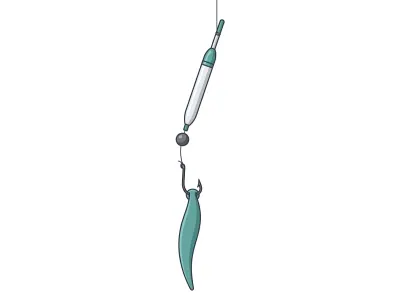
Walleye · Soft plastics
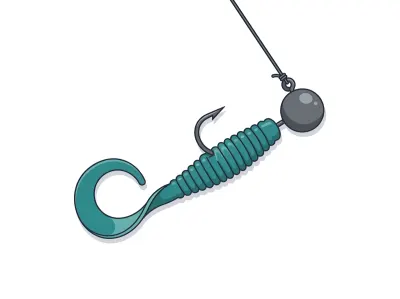
Curly-Tail Grub on Jig
3" curly-tail grub threaded on a round jighead
Largemouth bass · Hardbaits
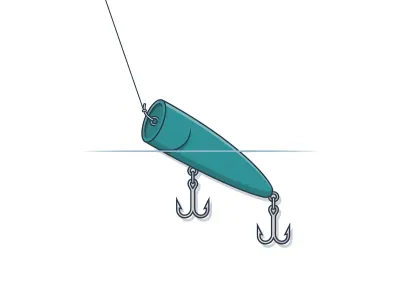
Topwater Popper
2.5–3" concave-face popper
Largemouth bass · Hardbaits
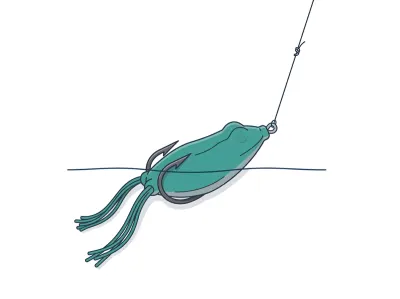
Hollow-Body Frog
3–3.5" hollow-body frog
Northern pike · Soft plastics

Paddletail Swimbait on Jighead
4–5" paddletail swimbait on a ball-head swimbait jighead
Northern pike · Muskie & pike
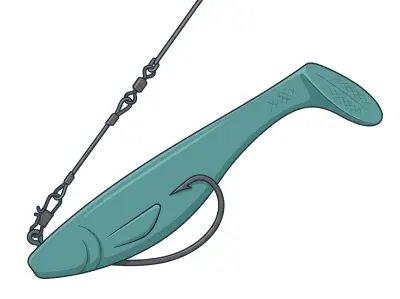
Soft Rubber (Bull Dawg / Medusa)
10" soft rubber body bait
Full setups, including hooks, weights and line, are on the live map. As an Amazon Associate I earn from qualifying purchases.
DNR stocking records
Stocking history
| Year | Species | Stocked |
|---|---|---|
| 2024 | Walleye | 1,644,000 fry |
| 2023 | Walleye | 12,000 fingerlings |
| 2022 | Walleye | 1,644,000 fry |
| 2021 | Walleye | 1,644,000 fry |
| 2019 | Walleye | 15,000 fingerlings |
| 2018 | Walleye | 1,644,000 fry |
| 2017 | Walleye | 6,000 fingerlings |
| 2016 | Walleye | 2,200,000 fry |
MN DNR · in their words
From the 2025 survey
Lake Mary (2,450 acres) is located five miles southwest of Alexandria. Water clarity is moderate (8 feet) and aquatic plants are common in shallow areas. Average depth is 17 feet with a maximum depth of 40 feet. Walleye, Northern Pike, Largemouth Bass, and Bluegill are common. Lake Mary has two public accesses. One is located on the southern shoreline off Lake Mary Circle SW. An additional access is located off Minnesota State Highway 27 on the northern shoreline.
A standard fisheries survey was completed in August 2025 to evaluate abundance and size distribution of gamefish populations. Lake Mary supports an excellent Walleye fishery sustained through alternate year fry stockings and modest natural reproduction. The 2025 Walleye gill net catch rate (12.9 fish/net) continued a relatively stable trend over the last decade. Walleye growth is above average with fish reaching 14.0 inches at age 3. Fifty-five percent of Walleyes sampled were larger than 15.0 inches and the largest was 27.4 inches.
Read the full DNR narrative
Northern Pike abundance remained at a desirable level (5.1/gill net). Average length was 20.0 inches. The largest pike measured 32.3 inches. Anglers are reminded that new pike zone regulations were implemented in 2018. Lake Mary is located in the North-Central Zone. Anglers can now keep up to 10 pike but not more than two can be over 26 inches in length. All pike between 22-26 inches must be immediately released. Harvesting smaller pike can help shift the population towards larger individuals and reduce the number of predators for young Walleye and other gamefish
Due to the lake's quality habitat attributes, Lake Mary supports a robust Largemouth Bass population. Growth rates are similar to the state-wide average with bass reaching 12.0 inches by age 4. Size structure of the electrofishing catch described a quality fishery. Eighty-six percent of the Largemouth Bass sampled during spring electrofishing were over 12.0 inches and the largest was 17.1 inches. Though trophy sized bass were not captured during spring sampling, bass over 20.0 inches were observed in summer trap nets.
Bluegill catch rates of 17.7 fish/trap net were above average for Lake Mary. Gill net catch rates of 10.0 Bluegill/net were also higher than average, suggesting fish had moved offshore at the time of the August survey. Growth rates of Bluegill in Lake Mary are moderate and 6-year-old fish averaged 7.0 inches. Very few Bluegill over 8 inches were caught during the survey with the largest fish measuring under 8.5 inches. Similar to the Bluegill catch, a majority of Black Crappie were captured in offshore gill nets. Black Crappie catch rates of 2.9 fish/gill net and 0.2 fish/trap net were the second lowest over the past two decades. Most Black Crappie were less than 10.0 inches and the largest was 13.1 inches. Black Crappie growth rates are moderate; average length of age 4 fish was 10.1 inches. In addition to summer sampling, a targeted panfish survey took place in the spring of 2025 as part of a broader research project investigating panfish populations across Minnesota. As a result, no additional age information was gathered from the August survey.
Yellow Perch numbers were low during the 2025 survey. Perch are preferred prey for Walleye, Northern Pike, and Largemouth Bass. Significant predation likely limits the Yellow Perch population from maintaining a size structure appealing to anglers. Additional species sampled include Bowfin, Common Carp, hybrid sunfish, Pumpkinseed, Rock Bass, White Sucker, and Black, Brown, and Yellow Bullhead. The next standard fisheries survey is tentatively scheduled for 2029.
Lake Mary was designated as an infested water body after the discovery of zebra mussels in 2013. Recreational users should take necessary precautions to prevent further spread of invasive species. Drain all water and remove all aquatic vegetation from your boat and trailer when leaving any body of water.
Narrative text from the Minnesota DNR lake survey.
Recent reports
Lake Mary fishing reports
Recent reports on Lake Mary from guides, tournaments and regular anglers. Anything posted in the last two weeks also bumps the matching spots on the live map, so you'll see a "matches a recent report" tag on them.
Public water access
Getting on the water
- Mary Lake (N) (trailer launch)
- Mary Lake (S) (trailer launch)
DNR bathymetry
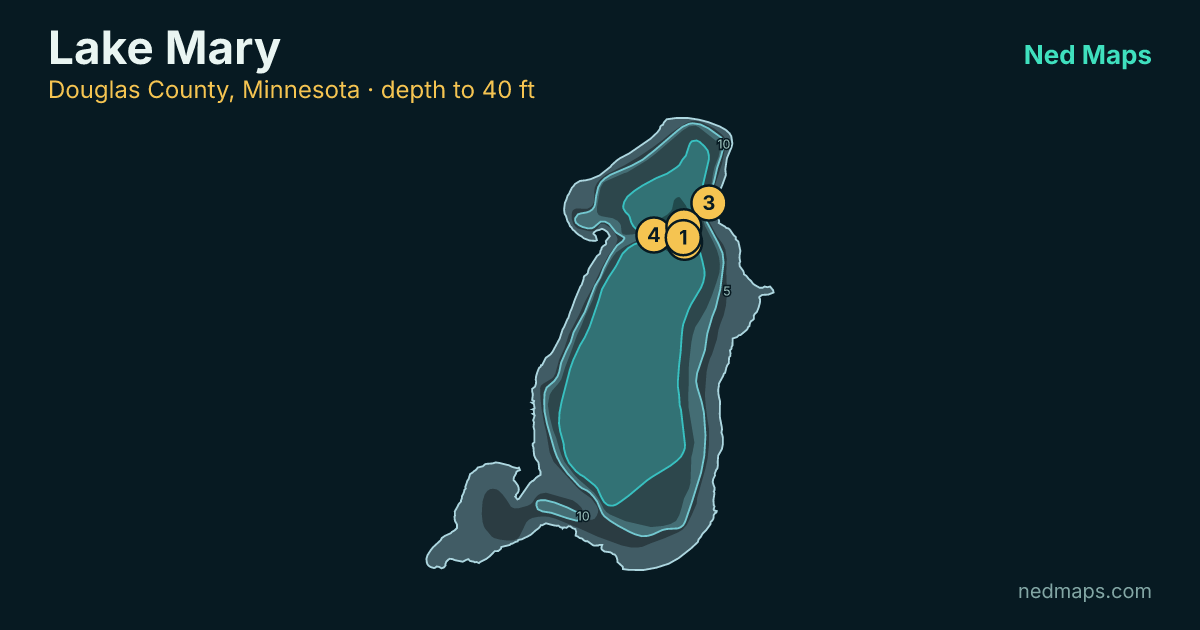
Lake Mary depth map
Within 30 miles
Nearby lakes
- Mud Lake · 86 ac · 2.3 mi
- Grill Lake · 67 ac · 2.6 mi
- Lake Andrew · 923 ac · 2.9 mi
- Pocket Lake · 263 ac · 3 mi
- Mill Lake · 451 ac · 3 mi
- Grant Lake · 177 ac · 3.1 mi
- Cork Lake · 101 ac · 3.2 mi
- Blackwell Lake · 307 ac · 3.7 mi
Quick answers
Frequently asked questions
How deep is Lake Mary?
Lake Mary reaches 40 ft at its deepest point with a mean depth of 17 ft; about 45% of the lake is littoral (15 ft or shallower).
How big is Lake Mary?
Lake Mary covers 2,450 acres with about 11.7 miles of shoreline.
How clear is the water in Lake Mary?
DNR Secchi readings on Lake Mary average 5.9 ft of visibility, middling clarity for a Minnesota lake.
What fish are in Lake Mary?
Minnesota DNR surveys (most recently 2025) record walleye, largemouth bass, northern pike, bluegill, crappie, yellow perch, rock bass.
Is Lake Mary stocked?
Yes. The DNR stocked walleye in 2024; the stocking table on this page lists every year back to 2016.
Does Lake Mary have a public access?
Yes. Lake Mary has 2 public access sites, including Mary Lake (N) (trailer launch).
How big do walleye get in Lake Mary?
The biggest walleye measured in recent DNR surveys taped 29"; the size-history table on this page tracks the biggest fish in each survey back to 1997.
When was Lake Mary last surveyed?
The Minnesota DNR last surveyed Lake Mary in 2025, the most recent of 15 surveys on record.
Page updated .

Featured guide spot
Your guide service here
One featured guide per lake, with your photo, your writeup and a link straight to your booking page. Free through December 31, 2026.
Then $20 a month from January. Cancel any time.
The live map adds today's conditions and ranked spots for Lake Mary, plus a trip plan you can share:
Open Lake Mary on the live map → Fished it lately? Write a report