Minnesota · Pope County
Gilchrist Lake Fishing guide
Gilchrist Lake sits in Pope County, Minnesota, and covers 336 acres, reaching 24 ft at its deepest point. Average water clarity runs about 5.9 ft. The Minnesota DNR has surveyed the lake 12 times, most recently in 2023, with walleye, largemouth bass, northern pike and bluegill in the nets.
DNR survey data
Fish species
WalleyeLast stocked 2024Good numbers4.8per gill net16"Typical23"Biggest
Lengths measured · 28 fish
Recent · 2023Lengths measured · 28 fish
2023Lengths measured · 28 fish
2017Lengths measured · 29 fish
2011Lengths measured · 20 fish
2006Largemouth bassJust a few18per hr (electrofishing)16"Typical18"Biggest
Lengths measured · 18 fish
Recent · 2023Lengths measured · 18 fish
2023Lengths measured · 30 fish
2017Lengths measured · 32 fish
2011Lengths measured · 38 fish
2006Northern pikeFair numbers7.8per gill net22"Typical31"Biggest
Lengths measured · 46 fish
Recent · 2023Lengths measured · 46 fish
2023Lengths measured · 107 fish
2017Lengths measured · 24 fish
2011Lengths measured · 59 fish
2006BluegillJust a few18.7per trap net6"Typical9"Biggest
Lengths measured · 341 fish
Recent · 2021 + 2023Lengths measured · 193 fish
2023Lengths measured · 148 fish
2021Lengths measured · 212 fish
2017Lengths measured · 41 fish
2011CrappieJust a few6per trap net9"Typical14"Biggest
Lengths measured · 117 fish
Recent · 2021 + 2023Lengths measured · 62 fish
2023Lengths measured · 55 fish
2021Lengths measured · 19 fish
2017Lengths measured · 24 fish
2011Yellow perchGood numbers4.7per gill net5"Typical6"Biggest
Lengths measured · 28 fish
Recent · 2023Lengths measured · 28 fish
2023Lengths measured · 15 fish
2017Lengths measured · 129 fish
2011Lengths measured · 112 fish
2006Rates come from standard DNR survey gear (gill nets, trap nets, electrofishing), judged against statewide benchmarks for the same gear, so the same number of fish per net can read differently for two species. Where the standard gear can't count a species reliably, only presence and size are listed. Typical is the middle fish of those measured. Open a row for the full length spread, survey by survey.
How to fish Gilchrist Lake through the year
Walleye
- Spring
- Walleye are shallow, on and just off the spawning flats and the first green weeds.
- Early summer
- Walleye are setting up on the outside weed edge, points and shallow structure.
- Summer
- Walleye are working the weed edge, points and any wind-blown structure. With 62% of this lake 15 ft or shallower, the weed edge is the main event.
- Fall
- Walleye are packing onto the sharpest breaks and points as the water cools, in big schools with short windows.
Northern pike
- Spring
- Pike are in the shallow bays and along new weed growth.
- Early summer
- Pike are on the outside weed edge and points.
- Summer
- Pike are on the deep weed edge and points near the coolest water they can find. With 62% of this lake 15 ft or shallower, the weed edge is the main event.
- Fall
- Pike are on the last green weeds and the breaks beside them, feeding heavily as the water drops.
Season patterns for each species. Open the live map for today's wind, light and water temp.
Size history
Biggest fish by survey year
| Survey year | Walleye | Northern pike | Largemouth bass |
|---|---|---|---|
| 2023 | 23" | 31" | 18" |
| 2017 | 28" | 33" | 20" |
| 2011 | 27" | 30" | 19" |
| 2006 | 25" | 29" | 18" |
| 2001 | 22" | 32" | 18" |
| 1996 | 26" | 29" | 19" |
Longest fish measured by DNR survey crews in each year's nets. Survey gear samples the population, so the lake usually holds larger fish than any survey measured.
Suggested tackle
What to bring
Top presentations for this lake's structure and clarity:
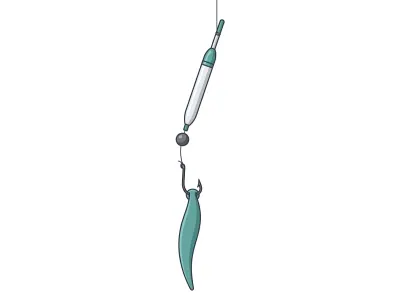
Walleye · Trolling
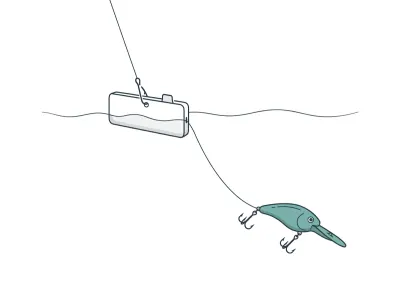
Planer Board Spread
4–6" crankbait or a 5–6 ft crawler harness run out to the side on an in-line planer board
Northern pike · Soft plastics

Paddletail Swimbait on Jighead
4–5" paddletail swimbait on a ball-head swimbait jighead
Northern pike · Jigs & bladed
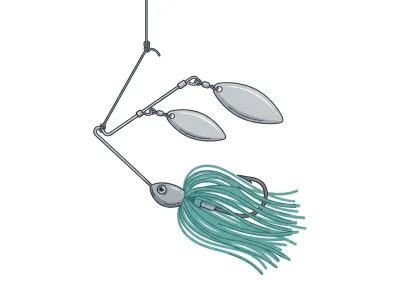
Spinnerbait
3/8–1/2 oz safety-pin spinnerbait with tandem willow-leaf blades
Largemouth bass · Soft plastics
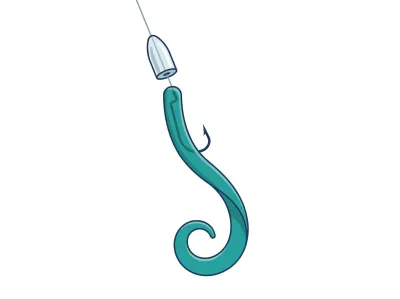
Texas-Rigged Worm
7" ribbon-tail or straight-tail plastic worm
Largemouth bass · Soft plastics
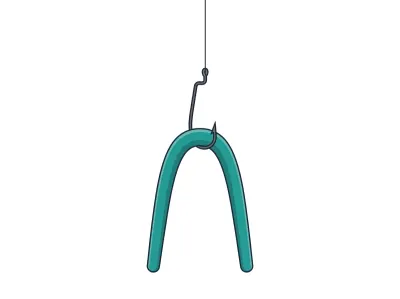
Wacky-Rigged Stickworm
5" stickworm
Full setups, including hooks, weights and line, are on the live map. As an Amazon Associate I earn from qualifying purchases.
DNR stocking records
Stocking history
| Year | Species | Stocked |
|---|---|---|
| 2024 | Walleye | 105,000 fry |
| 2022 | Walleye | 209,330 fry |
| 2021 | Walleye | 209,330 fry |
| 2018 | Walleye | 209,000 fry |
| 2017 | Walleye | 1,985 fingerlings · 6,138 yearlings · 24 adults |
MN DNR · in their words
From the 2023 survey
Lake Gilchrist is a shallow 321-acre basin located in southeast Pope County. Maximum depth is 24.0 feet. Approximately 61% of the surface area is less than 15.0 feet in depth. The East Branch of the Chippewa River runs through the basin. Water quality and habitat conditions are variable in response to a large watershed. Water level has varied as much as 5 feet between dry and wet weather cycles. Water clarity can become seasonally poor due to excessive algal blooms, especially in late summer.
A standard lake survey was completed during May through July 2023 to assess the current fish community. Lake Gilchrist is classified as a bass/panfish type lake and is also stocked with Walleye to supplement their natural reproduction. Various life stages (fry, fingerling, yearling) of Walleye have been stocked over the years, including high density Walleye fingerling stockings from 2003 through 2017. Those high-density fingerling stockings failed to increase Walleye catch rates. Due to the greater success from past fry stockings, starting in 2018 Lake Gilchrist was switched back to Walleye fry stocking on an alternate year basis. Walleye catch rates increased slightly during the 2023 survey to the highest levels observed in nearly 40 years. Multiple year-classes of young Walleye should provide good Walleye fishing for several years to come. Average length of Walleye caught in this survey was 16.7 inches.
Read the full DNR narrative
Lake Gilchrist has a history of producing large Bluegills, Black Crappies and Largemouth Bass. Starting in the spring of 2021, a special regulation was implemented that reduced the daily limit of sunfish from 20 to 10. This regulation change was intended to help maintain or improve the size of sunfish in Lake Gilchrist. Bluegill catch rates were moderate in 2023, but many of the fish were smaller. Only 3% of the Bluegill caught in the survey were over 8 inches. Lake Gilchrist has the potential to support a high quality Bluegill fishery. Bluegill up to 10.0 inches were observed in past surveys. Black Crappie catch rates were low, but many of those observed in the survey were large. A number of crappies from 11.0 to 14.5 inches were caught in the survey. Largemouth Bass abundance also remains low to moderate, but average size is large. Over half of the bass caught during the survey were 16.0 inches or longer, and fish over 20.0 inches have been observed in recent surveys.
Northern Pike catch rates returned to near average in the 2023 survey, after very high numbers of pike were encountered in the 2017 survey. While pike up to 31.6 inches were caught during this survey, average length was only 23.1 inches. Growth rates of Northern Pike in Lake Gilchrist are above average and most of the fish caught in the survey were 2 to 4 years old. Starting in May 2018, new Northern Pike regulations allowed for the opportunity to harvest more small pike. Lake Gilchrist falls within the north-central pike zone and anglers can harvest up to 10 Northern Pike less than 22 inches in length. Two of those pike may be longer than 26 inches, but none between 22 and 26 inches may be retained.
Quality fishing opportunities exist for multiple species in Lake Gilchrist. However, because of its small size, the fishery is vulnerable to over-harvest of larger fish. Anglers are encouraged to practice selective harvest to help maintain and improve the quality of the Lake Gilchrist fishery. Selective harvest encourages the release of larger fish while promoting harvest of more abundant smaller fish. Releasing medium to large fish will help restore and maintain fish community balance, as well as increase opportunities to catch large fish in the future.
Lake Gilchrist was designated as an infested water after the discovery of Eurasian watermilfoil in 1996 and zebra mussels in 2019. Recreational users should take necessary precautions to prevent the further spread of invasive species. Drain all water and remove all aquatic vegetation from your boat and trailer when leaving any body of water.
Narrative text from the Minnesota DNR lake survey.
Recent reports
Gilchrist Lake fishing reports
Recent reports on Gilchrist Lake from guides, tournaments and regular anglers. Anything posted in the last two weeks also bumps the matching spots on the live map, so you'll see a "matches a recent report" tag on them.
Public water access
Getting on the water
- Gilchrist Lake (trailer launch)
DNR bathymetry
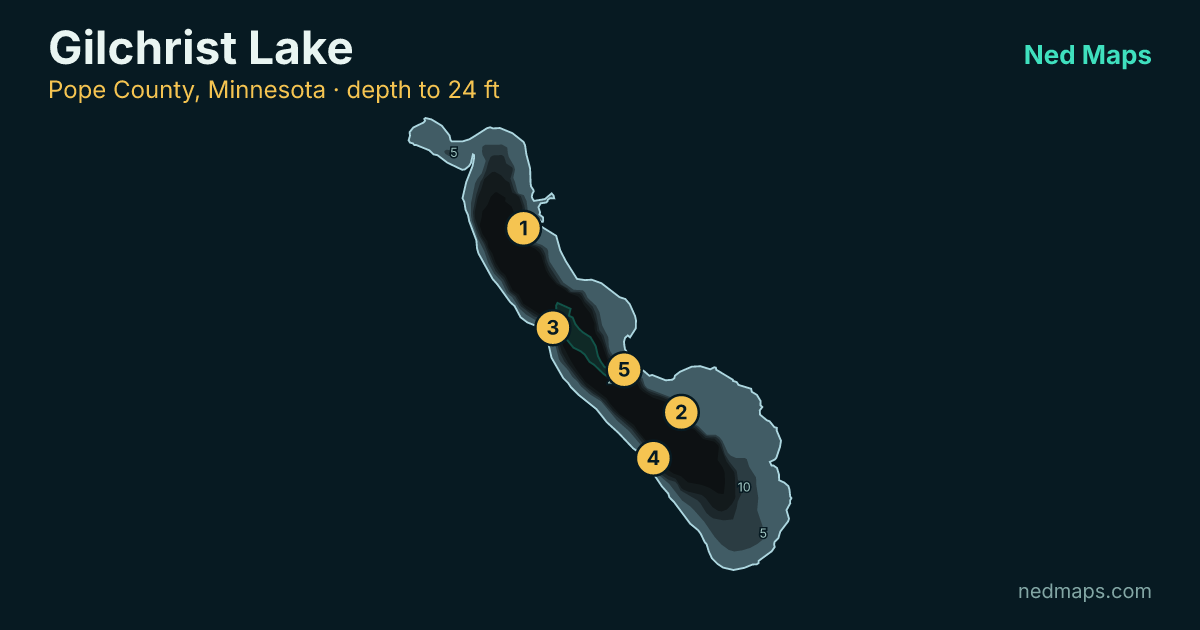
Gilchrist Lake depth map
Within 30 miles
Nearby lakes
- Lake Linka · 178 ac · 1 mi
- Scandinavian Lake · 417 ac · 1.9 mi
- Goose Lake · 324 ac · 2.9 mi
- Camp Lake · 230 ac · 5.1 mi
- Nelson Lake · 293 ac · 5.1 mi
- Lake Johanna · 1,399 ac · 7.1 mi
- Signalness Lake · 42 ac · 8.7 mi
- Lake Minnewaska · 8,050 ac · 10.8 mi
Quick answers
Frequently asked questions
How deep is Gilchrist Lake?
Gilchrist Lake reaches 24 ft at its deepest point with a mean depth of 10 ft; about 62% of the lake is littoral (15 ft or shallower).
How big is Gilchrist Lake?
Gilchrist Lake covers 336 acres with about 5.1 miles of shoreline.
How clear is the water in Gilchrist Lake?
DNR Secchi readings on Gilchrist Lake average 5.9 ft of visibility, middling clarity for a Minnesota lake.
What fish are in Gilchrist Lake?
Minnesota DNR surveys (most recently 2023) record walleye, largemouth bass, northern pike, bluegill, crappie, yellow perch.
Is Gilchrist Lake stocked?
Yes. The DNR stocked walleye in 2024; the stocking table on this page lists every year back to 2017.
Does Gilchrist Lake have a public access?
Yes. Gilchrist Lake has one public access site: Gilchrist Lake (trailer launch).
How big do walleye get in Gilchrist Lake?
The biggest walleye measured in recent DNR surveys taped 23"; the size-history table on this page tracks the biggest fish in each survey back to 1996.
When was Gilchrist Lake last surveyed?
The Minnesota DNR last surveyed Gilchrist Lake in 2023, the most recent of 12 surveys on record.
Page updated .

Featured guide spot
Your guide service here
One featured guide per lake, with your photo, your writeup and a link straight to your booking page. Free through December 31, 2026.
Then $20 a month from January. Cancel any time.
The live map adds today's conditions and ranked spots for Gilchrist Lake, plus a trip plan you can share:
Open Gilchrist Lake on the live map → Fished it lately? Write a report