Minnesota · St. Louis County
Elbow Lake Fishing guide
Elbow Lake is a 169-acre lake in St. Louis County, Minnesota, reaching 22 ft at its deepest point. Average water clarity runs about 11.5 ft. The Minnesota DNR has surveyed the lake 4 times, most recently in 2016, with walleye, largemouth bass, northern pike and bluegill in the nets. That survey is 10 years old now.
DNR survey data
Fish species
Largemouth bassJust a few14.4per hr (electrofishing)13"Typical17"Biggest
Lengths measured · 37 fish
Recent · 2016Lengths measured · 37 fish
2016Lengths measured · 8 fish
1998Only 8 fish measured that year — too few to read as a shape.
Northern pikeOne of the best around15.5per gill net22"Typical35"Biggest
Lengths measured · 113 fish
Recent · 2016Lengths measured · 113 fish
2016Lengths measured · 107 fish
1998BluegillJust a few14.3per trap net4"Typical9"Biggest
Lengths measured · 132 fish
Recent · 2016Lengths measured · 132 fish
2016Lengths measured · 1 fish
1998Only 1 fish measured that year — too few to read as a shape.
CrappieGood numbers23.2per trap net4"Typical12"Biggest
Lengths measured · 216 fish
Recent · 2016Lengths measured · 216 fish
2016Lengths measured · 6 fish
1998Only 6 fish measured that year — too few to read as a shape.
Yellow perchGood numbers6.2per gill net5"Typical7"Biggest
Lengths measured · 54 fish
Recent · 2016Lengths measured · 54 fish
2016Lengths measured · 79 fish
1998Rates come from standard DNR survey gear (gill nets, trap nets, electrofishing), judged against statewide benchmarks for the same gear, so the same number of fish per net can read differently for two species. Where the standard gear can't count a species reliably, only presence and size are listed. Typical is the middle fish of those measured. Open a row for the full length spread, survey by survey.
How to fish Elbow Lake through the year
Northern pike
- Spring
- Pike are in the shallow bays and along new weed growth. At 11.5 ft of clarity, fish them deeper and lighter than usual.
- Early summer
- Pike are on the outside weed edge and points.
- Summer
- Pike are on the deep weed edge and points near the coolest water they can find. With 77% of this lake 15 ft or shallower, the weed edge is the main event.
- Fall
- Pike are on the last green weeds and the breaks beside them, feeding heavily as the water drops.
Walleye
- Spring
- Walleye are shallow, on and just off the spawning flats and the first green weeds. At 11.5 ft of clarity, fish them deeper and lighter than usual.
- Early summer
- Walleye are setting up on the outside weed edge, points and shallow structure.
- Summer
- Walleye are working the weed edge, points and any wind-blown structure. With 77% of this lake 15 ft or shallower, the weed edge is the main event.
- Fall
- Walleye are packing onto the sharpest breaks and points as the water cools, in big schools with short windows.
Season patterns for each species. Open the live map for today's wind, light and water temp.
Size history
Biggest fish by survey year
| Survey year | Northern pike | Walleye | Largemouth bass |
|---|---|---|---|
| 2016 | 35" | 19" | 17" |
| 1998 | 33" | — | 18" |
Longest fish measured by DNR survey crews in each year's nets. Survey gear samples the population, so the lake usually holds larger fish than any survey measured.
Suggested tackle
What to bring
Top presentations for this lake's structure and clarity:
Northern pike · Soft plastics

Paddletail Swimbait on Jighead
4–5" paddletail swimbait on a ball-head swimbait jighead
Northern pike · Muskie & pike
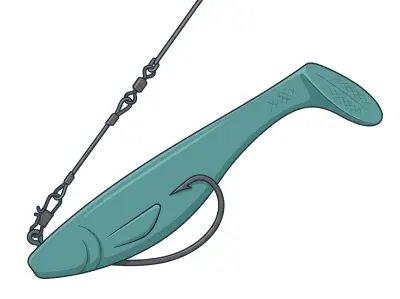
Soft Rubber (Bull Dawg / Medusa)
10" soft rubber body bait
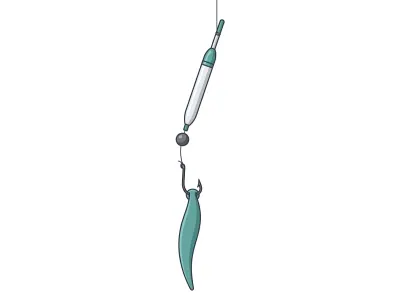
Walleye · Trolling
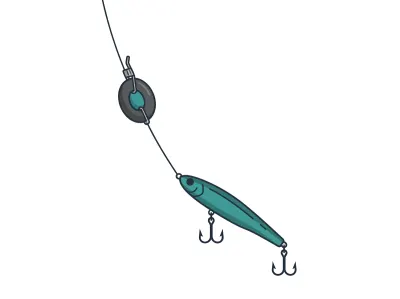
Snap Weights + Stickbaits
4–5" suspending or slow-floating stickbait
Largemouth bass · Soft plastics
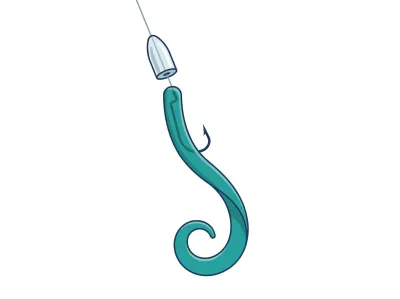
Texas-Rigged Worm
7" ribbon-tail or straight-tail plastic worm
Largemouth bass · Soft plastics
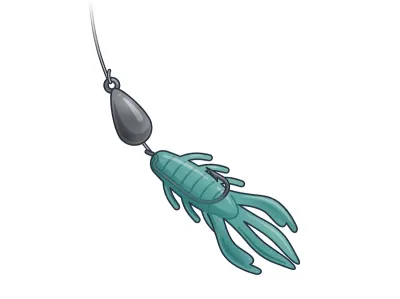
Free Rig
Creature bait or magnum finesse worm
Full setups, including hooks, weights and line, are on the live map. As an Amazon Associate I earn from qualifying purchases.
MN DNR · in their words
From the 2016 survey
Elbow Lake is a 169 acre lake located southwest of the city of Virginia. It is accessed by an earthen ramp on the southwest side of the lake. It has a maximum depth of 22 feet and green colored water. On June 14, 2016 the surface temperature was 66 F and the bottom was 52 F. Oxygen levels were adequate for gamefish to a depth of 14 feet. Past dissolved oxygen checks in the winter have shown at times the lake does experience low oxygen levels under the ice.
Elbow Lake is sparsely populated with homes and just over half of the shoreline is in public ownership. Most of the upland areas of the shorelines are wooded. A large part of the lake is surrounded with a fringe of cattail. Lake bottom substrates along the shoreline of Elbow Lake are mostly sand and muck with a few areas of rubble and gravel. Other than the cattail fringe, vegetation is fairly sparse and only grows to a depth of four feet.
Read the full DNR narrative
Elbow Lake has two inlets: one originates from a small lake to the north and the other is Elbow Creek which originates near Eveleth. Elbow Creek has a history of receiving sewage effluent from the city of Eveleth. During unusually wet weather events, Eveleth's treatment facility at times is unable to completely keep up and partially treated overflow can make its way into the creek. The most recent events occurred in the spring of 2014 and 2016 where partially treated effluent was able to enter the creek and lake. This excess nutrient load can supplement the natural nutrient load and at times cause strong algae blooms which creates the lakes green appearance. The only outlet (Elbow Creek) flows south to the St. Louis River.
This survey used gill nets, trap nets, and night electrofishing to assess the fish population. Fish species sampled included northern pike, largemouth bass, black crappie, bluegill, yellow perch, walleye, white sucker, pumpkinseed, golden shiner, and tadpole madtom.
The northern pike gillnet catch was 15.5 fish/net which is comparable to other surveys from the lake and very good compared to other similar lakes in the state. Sizes ranged from 18 to 36 inches with an average of 23 inches and three pounds. Sizes were larger in this survey than any other survey on the lake.
Electrofishing was used for the first time on Elbow Lake to sample largemouth bass. Two and a half hours of electrofishing captured 36 largemouth for a catch rate of 14.4 fish/hour, which is slightly below average compared to other lakes in the area. Sizes ranged from 3 to 18 inches with an average of 12 inches. The average weight was one and a half pounds. It appears Elbow Lake has the ability to grow some big largemouth with just over a third of the fish measuring larger than 16 inches. Growth rates were extremely fast with a four year old bass averaging 14 inches long.
The black crappie trapnet catch was 23.3 fish/net which is very good compared to other similar lakes and the highest catch rate on record for Elbow Lake. Lengths ranged from 4 to 13 inches but the average was just over 5 inches. Although the catch included a lot of small fish which brought the average size down, there were a lot of sizes that would be appealing to anglers. Forty-six crappie measured larger than 8.5 inches. As with the largemouth, the growth rates were extremely fast. The average length of a four year old crappie was 10 inches long.
This is only the second survey that sampled bluegill from Elbow Lake, the first record was from 1998 when one fish was captured. The 2016 trapnet catch rate was 14.3 fish/net which is above average compared to other similar lakes. Sizes were from 3 to 9 inches with a 6 inch average. Just under half of the bluegill sampled were over 6.5 inches long. As with largemouth and crappie, the growth rates for bluegill are quite fast compared to other lakes in the area.
The yellow perch gillnet catch rate was 6.2 fish/net which is above average compared to other similar lakes. Sizes were small though with an average length of 6 inches and the largest reaching just under 8 inches.
Noticeable by their absence were black bullhead. Black bullhead dominated catches in both gill nets and trap nets in the past three surveys with high marks of 144/gill net and 333/trap net in 1998. It's not entirely known what happened to have such a die-off of this highly tolerable species, when the lake appears to be doing fairly well for other game species.
Other species sampled but in low numbers were one walleye, white sucker, golden shiner, pumpkinseed, and tadpole madtom.
Some smaller sized northern pike were infested with neascus (black spot) although the bluegill were all relatively clean.
Narrative text from the Minnesota DNR lake survey.
Recent reports
Elbow Lake fishing reports
Recent reports on Elbow Lake from guides, tournaments and regular anglers. Anything posted in the last two weeks also bumps the matching spots on the live map, so you'll see a "matches a recent report" tag on them.
Public water access
Getting on the water
- DNR access: 1/3 mile East on County Road 556.
DNR bathymetry
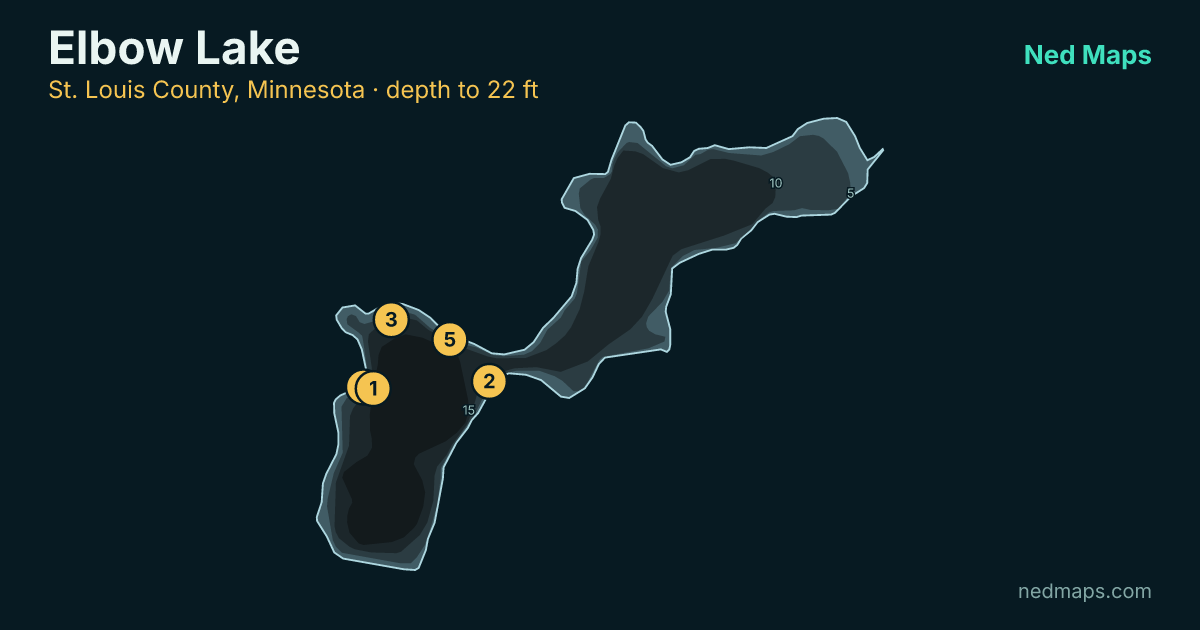
Elbow Lake depth map
Within 30 miles
Nearby lakes
- Little Elbow Lake · 5 ac · 0.1 mi
- Long Lake · 150 ac · 4.1 mi
- West Two Rivers Reservoir · 967 ac · 4.1 mi
- Mashkenode Lake · 128 ac · 4.6 mi
- Manganika Lake · 168 ac · 4.7 mi
- St. Mary's Lake · 234 ac · 5 mi
- Half Moon Lake · 162 ac · 6.3 mi
- Pleasant Lake · 335 ac · 6.7 mi
Quick answers
Frequently asked questions
How deep is Elbow Lake?
Elbow Lake reaches 22 ft at its deepest point; about 77% of the lake is littoral (15 ft or shallower).
How big is Elbow Lake?
Elbow Lake covers 169 acres with about 3.8 miles of shoreline.
How clear is the water in Elbow Lake?
DNR Secchi readings on Elbow Lake average 11.5 ft of visibility, clear water for a Minnesota lake.
What fish are in Elbow Lake?
Minnesota DNR surveys (most recently 2016) record walleye, largemouth bass, northern pike, bluegill, crappie, yellow perch.
Is Elbow Lake stocked?
No stocking is on record for Elbow Lake in the DNR's stocking database.
Does Elbow Lake have a public access?
Yes. Elbow Lake has one public access site: DNR access (1/3 mile East on County Road 556.).
How big do northern pike get in Elbow Lake?
The biggest northern pike measured in recent DNR surveys taped 35"; the size-history table on this page tracks the biggest fish in each survey back to 1998.
When was Elbow Lake last surveyed?
The Minnesota DNR last surveyed Elbow Lake in 2016, the most recent of 4 surveys on record. A survey that old is a starting point, not a current reading.
Page updated .

Featured guide spot
Your guide service here
One featured guide per lake, with your photo, your writeup and a link straight to your booking page. Free through December 31, 2026.
Then $20 a month from January. Cancel any time.
The live map adds today's conditions and ranked spots for Elbow Lake, plus a trip plan you can share:
Open Elbow Lake on the live map → Fished it lately? Write a report